
Tag: antiques France
-
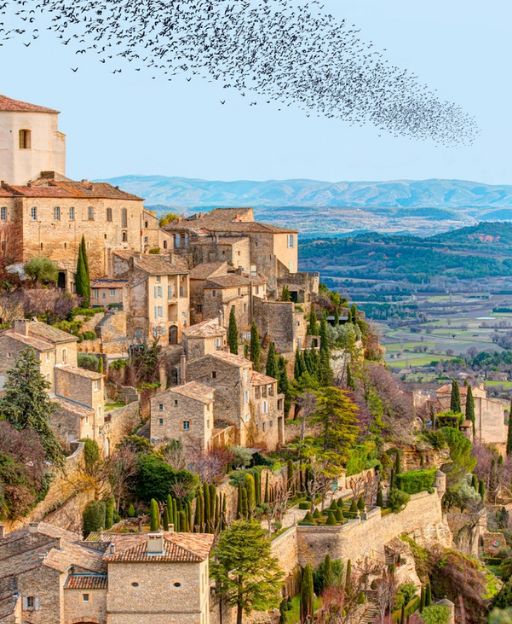
Can You Picture Retiring In France?
Can you picture retiring here? Get the Free “25 Hidden Villages of France” Guide Join 7,000+ France lovers and get real village names, local food addresses, and hidden chateaux — free. Or see the free Hidden Villages guide → Continue to Video 2: The Real Towns → The button above always works — whether or…
-
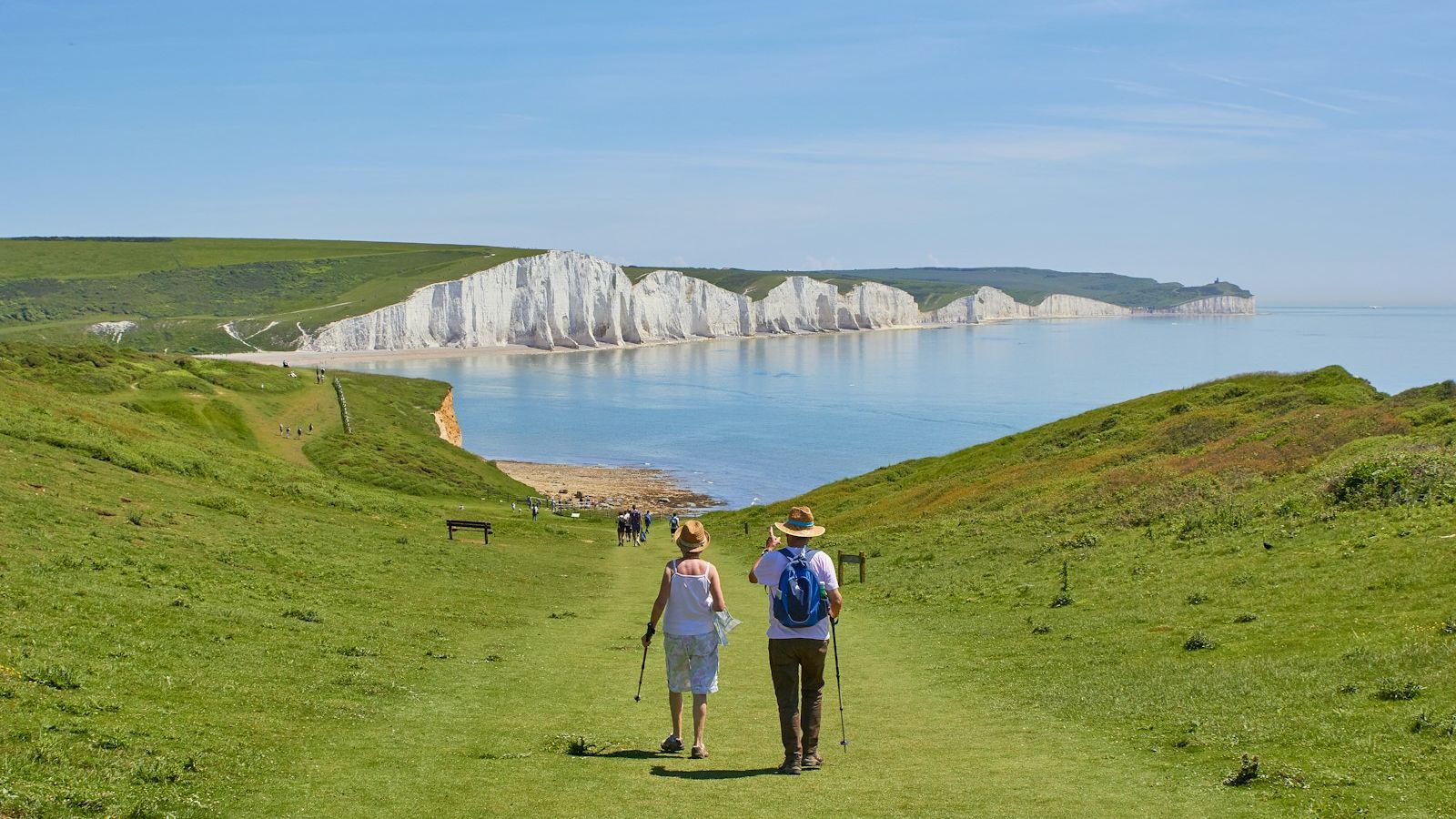
Retire In France: Get The Full Guide (Video 3)
Here’s what most people get wrong about the actual move. Get the Full Guide to Retiring in France Our complete guide covers the real towns, the practicalities most blogs get wrong, and the community that’s already there — fact-checked, not guessed. Read The Full Guide → Or get it straight to your inbox — join…
-
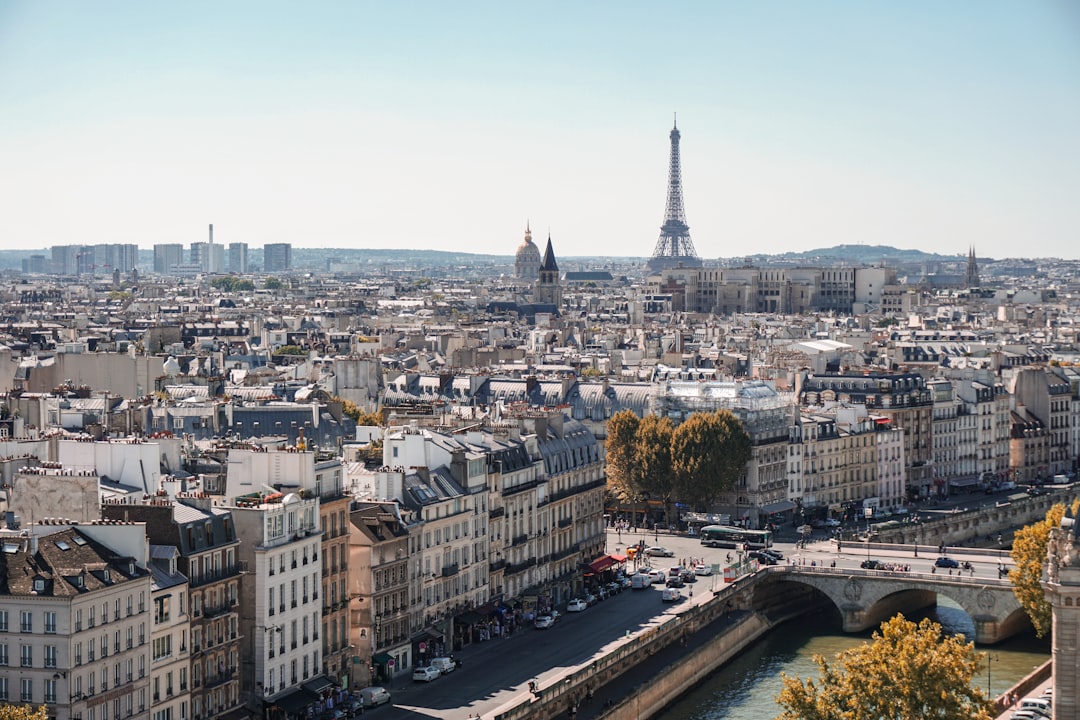
Retire In France: The Real Towns (Video 2)
The dream is real. Here’s where people are actually doing it. Sarlat-la-Canéda, Bergerac, and Montpellier are three real towns with strong, established communities of American and British retirees. Want the full list, with what makes each one different? See our full guide to the best towns to retire in France → Continue to Video 3:…
-

France Travel Budget: How Much Does a Trip to France Actually Cost?
Planning a France trip? Get real per-day costs for accommodation, food, transport, and flights — plus sample budgets for every travel style.
-
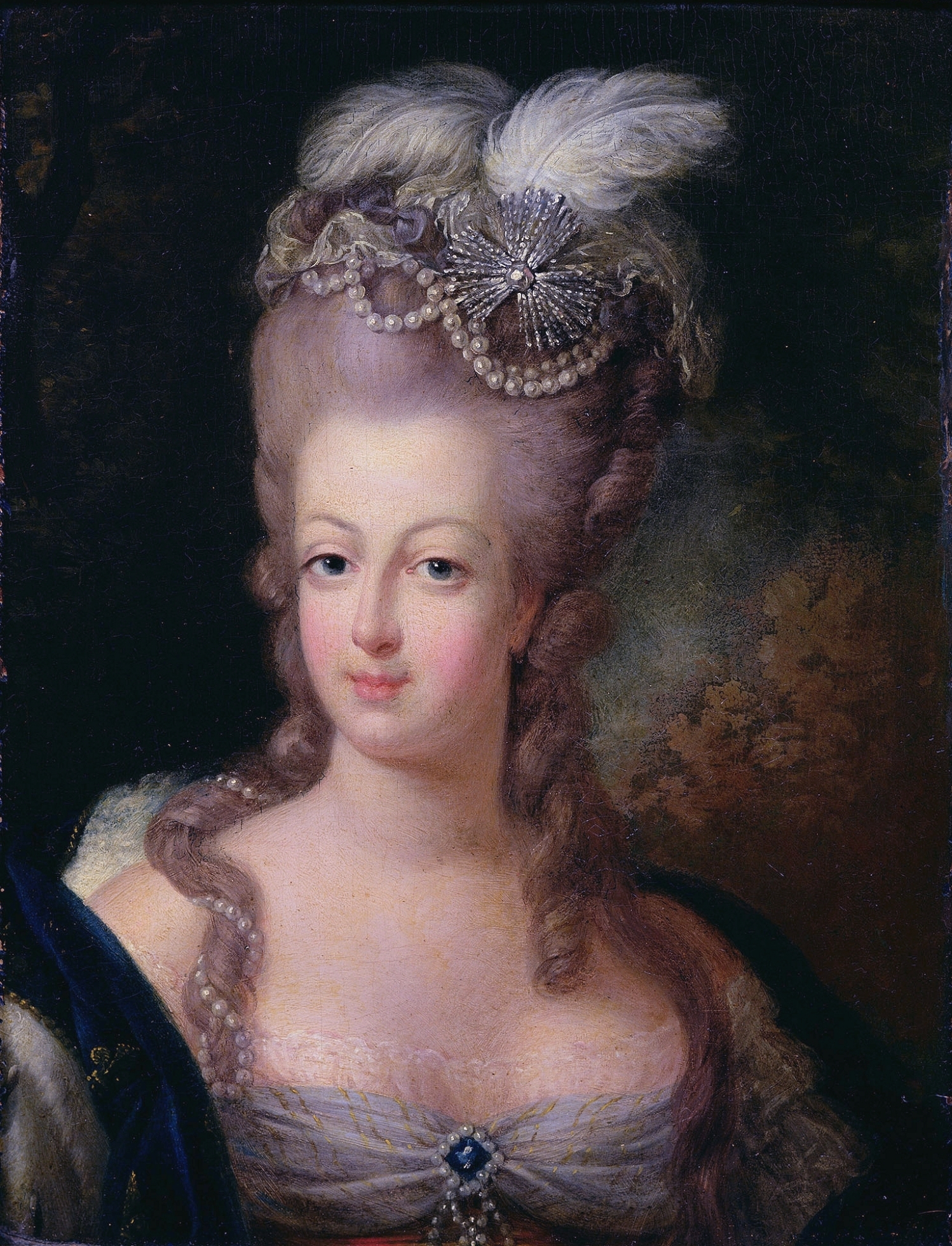
Marie Antoinette: The Truth Behind France’s Most Misunderstood Queen
The real story of Marie Antoinette — child bride, fashion icon, mother, and prisoner. Discover the woman behind the legend, and where to visit her legacy in France.
-
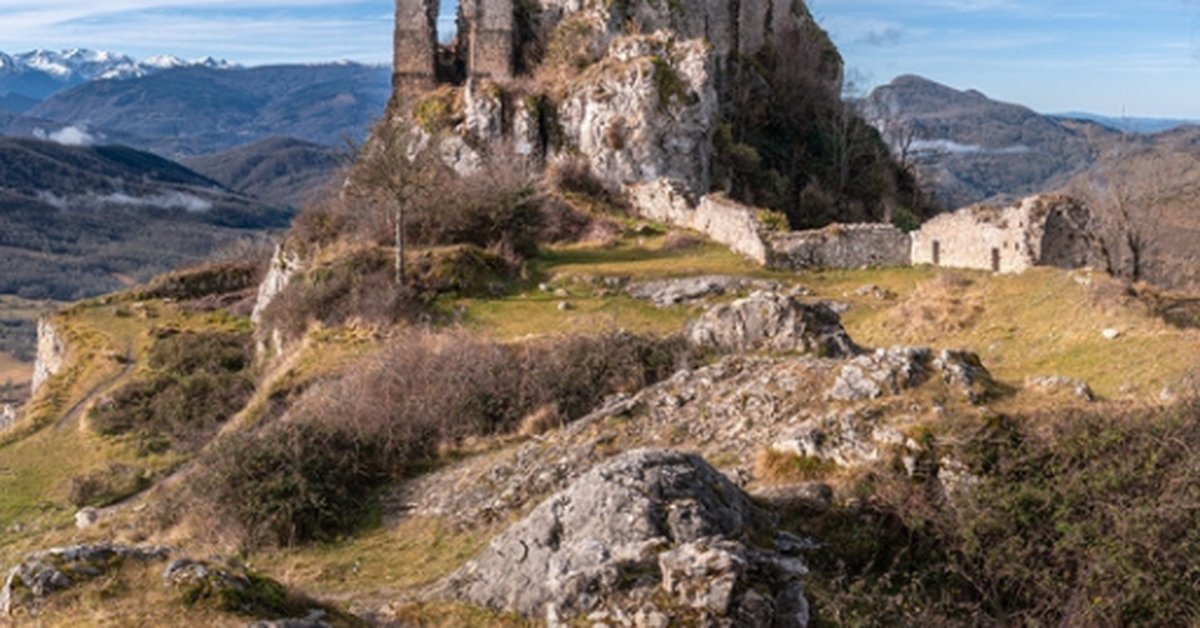
The Cathars of Languedoc: France’s Forgotten Heresy
The Cathars of Languedoc were a peaceful medieval religious movement that the Catholic Church declared heresy. Discover their beliefs, the crusade that destroyed them, and the dramatic castles they left behind across southern France.
-
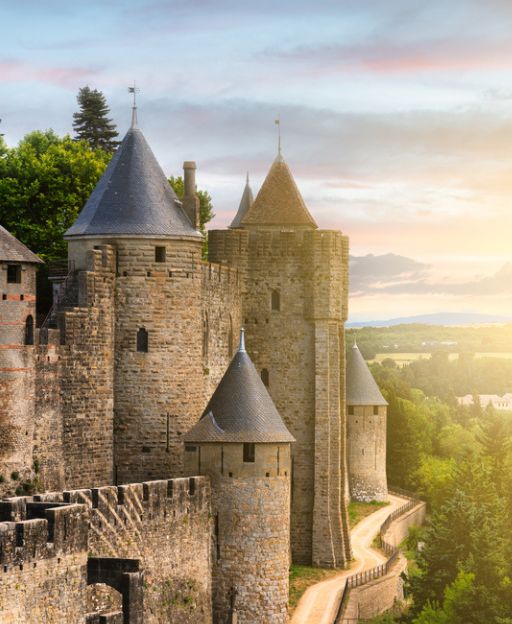
Languedoc France Travel Guide: The Sun-Soaked South Most Visitors Skip
Languedoc France travel guide: discover Carcassonne, Nimes, Montpellier, and the Mediterranean coast that most visitors skip. Tips on wine, beaches, and when to go.
-
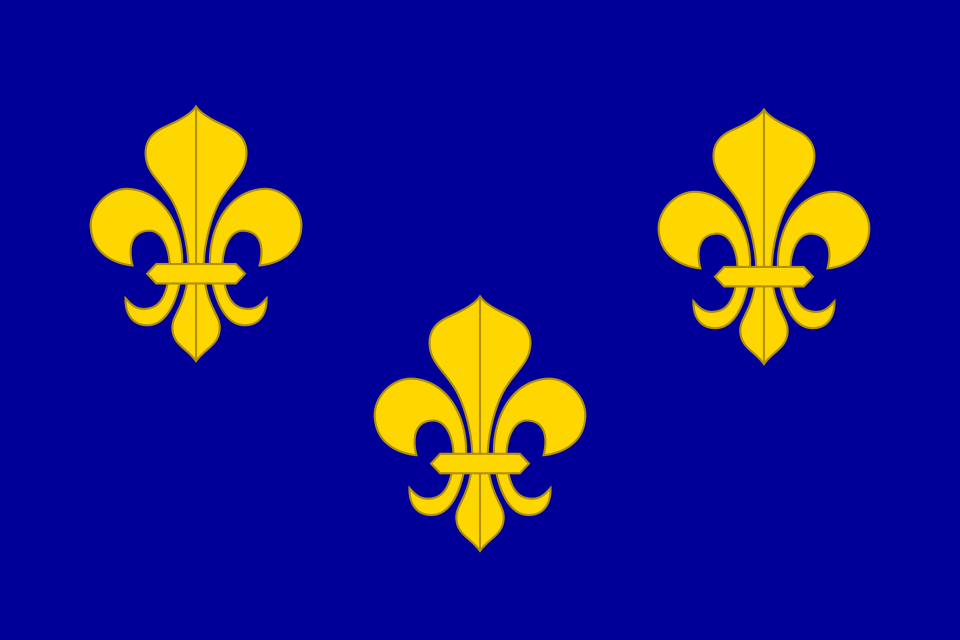
New France: How French Explorers Built an Empire Across North America
For over 150 years, France controlled a vast territory in North America. It stretched from Newfoundland to the Gulf of Mexico. Today, millions of people carry the legacy of that empire in their names, their language, and their culture. French-Canadians, Cajuns of Louisiana, and Acadian communities all trace their roots to New France. This is…
-
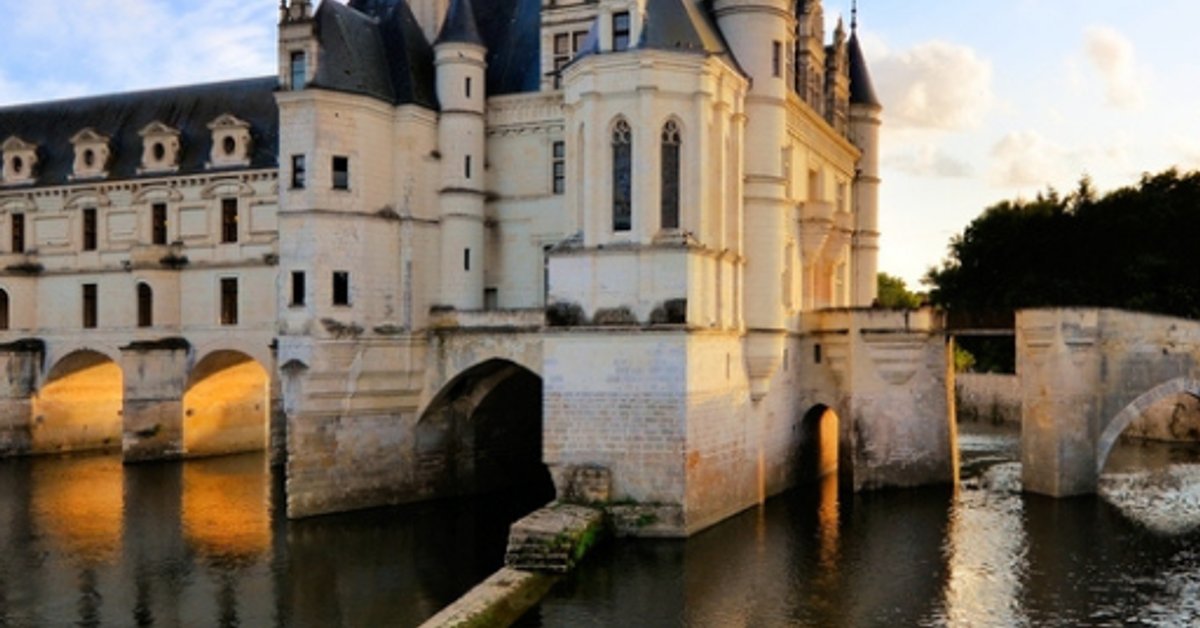
The Loire Valley Châteaux: How France’s Kings Built a Royal Playground
For 200 years, France’s kings built their palaces in the Loire Valley. Discover the story of Chambord, Chenonceau, Amboise, and the women who shaped them.
-

The 6 Best France Travel Newsletters to Subscribe to in 2026
Our pick of the six best France travel newsletters to subscribe to in 2026 — all free — led by the daily In Love With France newsletter, for Francophiles everywhere.
