
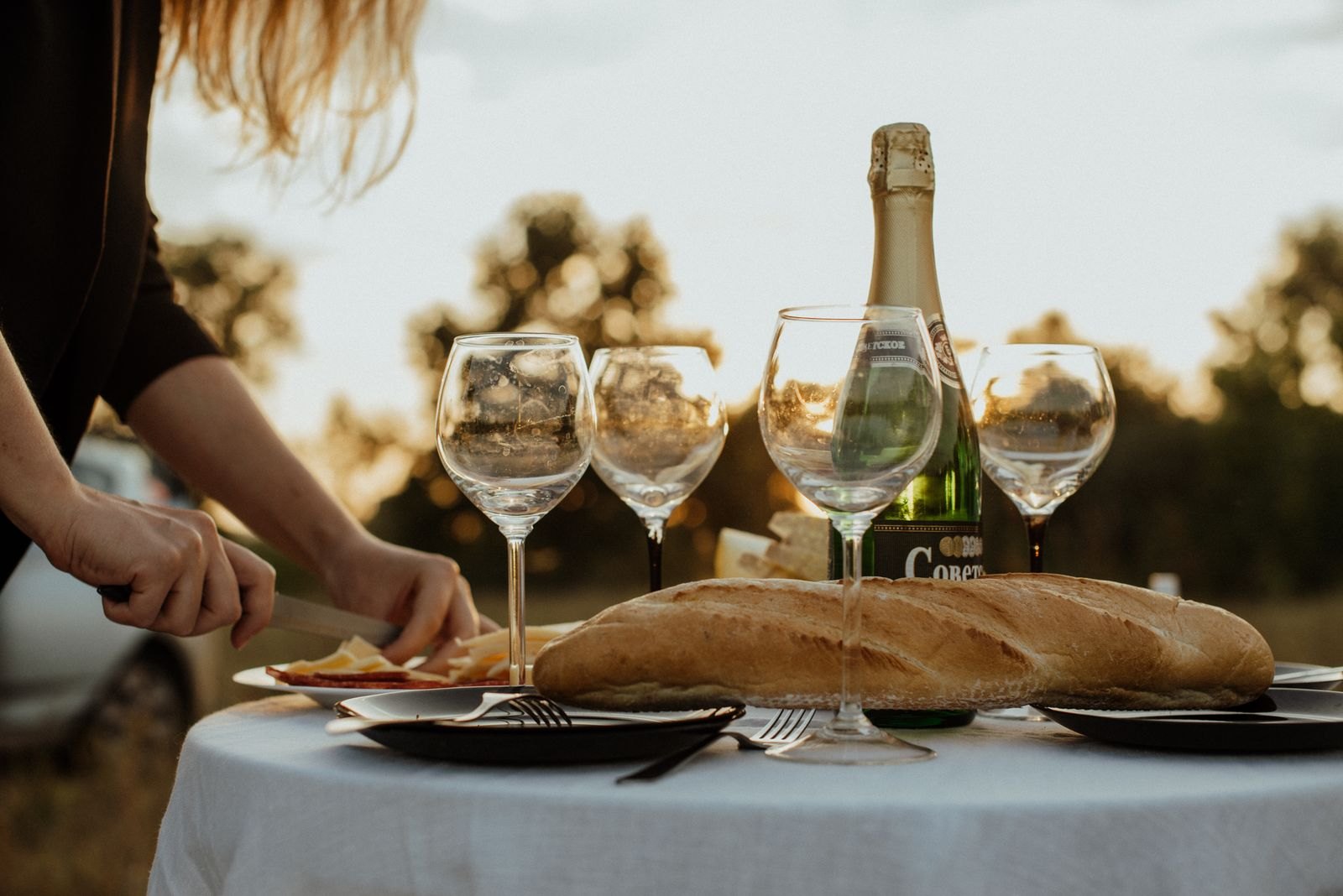
At some point, every visitor to France notices it. The waiter says it before setting down a plate. Your neighbour says it across the courtyard. A stranger in a bakery says it to no one in particular. Bon appétit. Two words that English borrows but never quite owns.
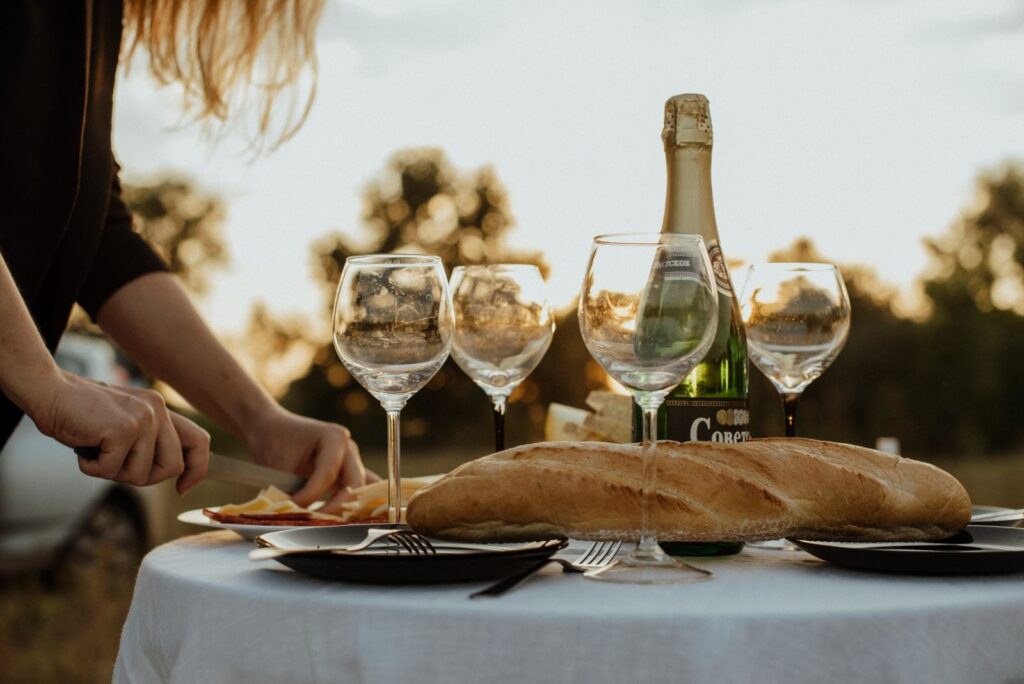
In English, we might say “enjoy your meal” — but we rarely do. It feels formal. Awkward. The French say bon appétit to everyone, always, without hesitation. And that difference tells you almost everything you need to know about France.
It Is Not a Pleasantry — It Is a Ritual
In most countries, food is fuel. You eat when you can, wherever you happen to be. In France, food is sacred. Meals have a beginning, a middle, and an end. They have structure and rhythm. And bon appétit is how you open the ceremony.
Miss this phrase and you have broken something unspoken. Start eating before the host says it? Rude. Begin your croissant before everyone at the table has theirs? Frowned upon. It is not about the words themselves. It is about the moment they create.
The phrase translates literally as “good appetite” — a wish that you will taste and enjoy, not merely consume. That distinction matters enormously in France.
The Etiquette Debate That Never Quite Resolved
Here is something most visitors do not know: bon appétit has a complicated history in French etiquette circles. For generations, the old-school aristocratic view held that saying it in formal company was actually poor form.
The reasoning? Mentioning appetite was considered vaguely vulgar. Like drawing attention to bodily functions at the table. The correct response, in those rarefied circles, was silence — or simply “merci”.
That debate is largely over. Modern France says bon appétit freely and warmly. But the fact that people argued about it for a century reveals how seriously the French take the meal as a social institution.
Enjoying this? 7,000 France lovers get stories like this every week. Subscribe free →
Why You Hear It Everywhere — Even from Strangers
Walk into a small French restaurant at lunch. You will notice something remarkable. When other diners sit down, the people already eating will often nod and say bon appétit. Strangers, acknowledging strangers, through the shared act of eating.
This does not happen in London or New York. It barely happens in Paris. But in provincial France — in a market town brasserie, in a village café, in a mountain auberge — it still does. The meal creates a temporary community. Everyone at the table, including people you have never met, is briefly part of the same thing.
Understanding this is understanding something deep about how French people relate to each other. Food is not private. It is the great equaliser. Shared meals are where France makes sense of itself.
You can explore more of these everyday French rituals in our guide to the French words English cannot translate — many of them are tied to food, time, and togetherness.
The Relationship Between Food and Time
One reason bon appétit carries so much weight in France is that the French treat mealtimes as non-negotiable. Lunch does not happen at your desk. Dinner does not happen in front of a screen. These are protected hours.
France is one of the few countries in Europe where a two-hour lunch break is not unusual, even for ordinary workers. Shops close. Offices quiet down. The meal is not something that fits around the day — the day fits around the meal.
This is why the phrase means so much. It signals: this moment matters. Put your phone away. Pay attention to what is in front of you. Eat slowly. Taste everything. France encoded all of that into two syllables.
There is even a law that reflects this. France banned eating at your desk in the workplace — an extension of the same cultural logic. If you are curious about that, read more about why eating at your desk is against the law in France.
What It Teaches Visitors
Most visitors to France arrive with a list of things to eat. Croissants in Paris. Cassoulet in Toulouse. Bouillabaisse in Marseille. These are good goals. But the real lesson comes earlier, at the very first meal, when someone looks at you and says bon appétit.
It is an invitation. Sit down. Stay awhile. Let the food be the point. Do not eat standing up or walking past. Do not scroll your phone. Be here, at this table, with these people, and appreciate what is in front of you.
That is the secret the phrase has been carrying since long before tourists arrived. The French did not invent fine dining. They invented the idea that even an ordinary meal deserves full attention.
Before your trip, our France travel planning guide will help you make the most of every meal moment — and every region where the table is the centre of local life.
Frequently Asked Questions
Is it rude to start eating before someone says ‘bon appétit’ in France?
In most French households and restaurants, yes — starting before the host or everyone is seated is considered impolite. Waiting for the phrase is a small but meaningful act of respect for the shared meal.
Do French people really say ‘bon appétit’ to strangers?
In smaller cities and rural France, yes — it is common for diners to acknowledge new arrivals in a restaurant with the phrase. In Paris, this happens less often, but it is still part of the cultural vocabulary.
When is the best time to visit France and experience meal culture properly?
Spring and early autumn are ideal — terrace dining is open, markets are full, and you avoid the peak summer rush. Visit a provincial town rather than Paris to experience the unhurried lunch culture at its best.
Why did French etiquette rules once discourage saying ‘bon appétit’?
In aristocratic circles, mentioning appetite was seen as crude — too close to acknowledging bodily needs at the table. That view faded through the twentieth century. Today, the phrase is universally accepted and warmly meant.
The next time you sit down to eat in France, listen for it. Let it land. Say it back with the same ease as the person across from you. In that moment, you are not a tourist at a table — you are part of something the French have been practising for centuries.
Join 7,000+ France Lovers
Three times a week, get France’s hidden gems, seasonal guides, local stories, and the art of la vie française — straight to your inbox.
Subscribe free — enter your email:
Free forever · Unsubscribe anytime
🇫🇷 You Might Also Love
Tours & experiences you might love


Powered by Viator. Some links are affiliate links — we may earn a small commission at no extra cost to you.

Leave a Reply