
Paris stops first-time visitors in their tracks. The city is vast, the options are endless, and most travellers try to pack in far too much. The result is exhaustion, queues, and a feeling that you saw everything but experienced nothing. This Paris itinerary for first-time visitors fixes that. Three days. Real priorities. A plan that leaves room to breathe.
Love France? Join 7,000+ readers on our free newsletter → lovetovisitfrance.substack.com
Before You Arrive: What First-Time Visitors Need to Know
Paris rewards slow visitors more than rushed ones. Three days is enough to get a real feel for the city. It is not enough to tick off every museum, every neighbourhood, and every landmark. Choose your priorities before you land.
Book your Eiffel Tower tickets in advance. Queues without a booking can stretch to two or three hours. The Louvre also requires pre-booking. Leave those two to chance and you will waste a large portion of your trip standing in line.
Paris operates on a rhythm. Mornings are calm. Midday brings crowds. Late afternoon is golden for photography. Evenings are for food, wine, and wandering. Build your days around that pattern and you will enjoy the city far more.
Paris Itinerary Day 1: The Landmarks That Earned Their Reputation
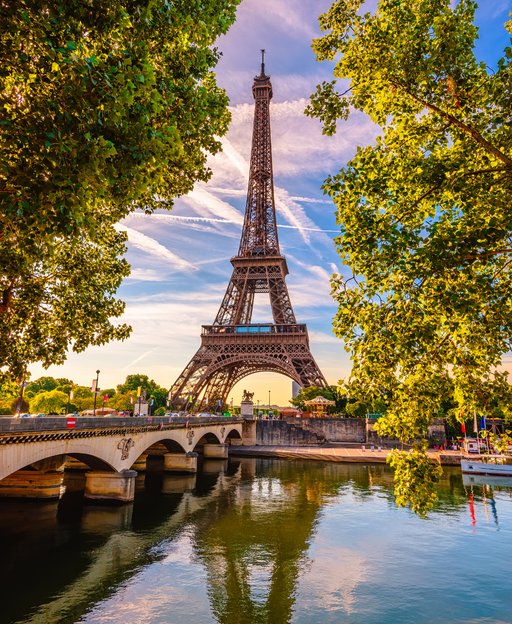
Start with the Eiffel Tower. Yes, every first-time visitor does. There is a reason for that. The view from the second level is one of the finest in any city on earth. Go early — before 9am if possible — and you will have it almost to yourself.
After the tower, cross to the Trocadéro gardens. This is where the best photograph of the Eiffel Tower is taken. Face south, and the tower frames itself perfectly against the sky. Spend twenty minutes there before the tour groups arrive.
Afternoon: Notre-Dame and the Islands
Take the Métro to the Île de la Cité and visit Notre-Dame Cathedral. The exterior restoration following the 2019 fire is ongoing, but the cathedral has reopened and its interior is extraordinary. Give it an hour.
From there, walk east along the Seine. This stretch of river — between the islands and the Left Bank — is one of the most pleasant walks in Paris. The booksellers who line the river banks have traded here for centuries. Stop and browse. It costs nothing and gives you a genuine slice of Parisian life.
Evening: The Latin Quarter
End Day 1 in the Latin Quarter. This is the student heart of Paris — lively, affordable, and full of good restaurants. Rue Mouffetard is the main market street. Walk it in the early evening when locals are buying food for dinner. Then pick a bistro that looks busy. Busy means good.
Paris Itinerary Day 2: Museums, Passages and Montmartre
The Louvre is the world’s largest art museum. It is also easy to get wrong. Most visitors try to see everything and end up seeing nothing properly. Pick three or four works you actually want to see. The Winged Victory of Samothrace, the Venus de Milo, and the Mona Lisa. Then leave. Two hours done well beats five hours done exhausted.
Afternoon: The Marais and the Covered Passages
The Marais is one of the few Paris neighbourhoods that still feels like old Paris. The streets are narrow. The buildings are tall. Independent boutiques sit beside medieval churches and art galleries. Walk it without a map for an hour.
After the Marais, head towards the 2nd arrondissement. The covered passages of Paris are one of the city’s best-kept secrets. These glass-roofed arcades date from the 19th century. They were the world’s first shopping centres. Today they are calm, atmospheric, and almost entirely tourist-free. Galerie Vivienne is the most beautiful. Allow yourself to get slightly lost in them.
Evening: Montmartre at Dusk
Montmartre sits on the highest hill in Paris. The Sacré-Cœur basilica crowns the summit. Climb the steps at dusk. The city spreads below you in every direction. The light at that hour is extraordinary.
Avoid eating dinner immediately around Sacré-Cœur — the restaurants nearest the basilica are priced for tourists. Walk five minutes downhill into the village streets and you will find places where Parisians actually eat. The Paris Opéra is nearby — its interior alone is worth a visit if you have time before dinner.
Paris Itinerary Day 3: Versailles and the Canal
Leave early. The Palace of Versailles is 45 minutes from Paris by RER train. Arrive when it opens. By 11am the palace is very crowded. By 9am it is manageable.
Most visitors only see the State Apartments and the Hall of Mirrors. That misses much of what makes Versailles extraordinary. The gardens stretch for kilometres. The Grand Trianon and Petit Trianon are quieter and just as beautiful. Budget at least four hours.
Afternoon: Canal Saint-Martin
Return to Paris in the early afternoon and head to Canal Saint-Martin. This neighbourhood in the 10th arrondissement is where young Parisians live. The canal is lined with iron footbridges, café terraces, and bookshops. It feels completely different from the tourist Paris you have spent two days exploring.
Sit at a café beside the water. Order a coffee or a glass of wine. Watch the city moving around you. This is Paris at its most real.
Evening: A Last Dinner in Paris
On your final night, resist the temptation to tick off another sight. Paris rewards those who slow down. Find a restaurant with a handwritten menu — that almost always signals seasonal, local cooking. Take your time over dinner. The French take two hours at the table as a minimum. Follow their lead.
Practical Tips for First-Time Visitors
Getting Around Paris
The Paris Métro is excellent. Load a Navigo Easy card and tap as you go. The network covers almost everything on this itinerary. Walking between nearby stops is often faster than the train and far more enjoyable.
Where to Stay
For a first visit, stay in the 1st, 4th, 6th, or 7th arrondissement. These put you within walking distance of most major sights. The Marais (4th) and Saint-Germain (6th) offer the best mix of location, character, and good eating. Avoid hotels near the Champs-Élysées — they are expensive and the area is far less interesting than the neighbourhoods on either side of the river.
What to Eat in Paris
Eat lunch as your main meal. French restaurants traditionally serve their best food at midday. Lunch menus — called a formule — offer two or three courses at a fraction of the evening price. Order what the restaurant specialises in, not what you recognise. That is almost always the better choice.
Breakfast in a boulangerie costs far less than a hotel breakfast. Stand at the bar, order a coffee and a croissant, and watch the city start its day. It is one of the most Parisian things you can do.
If You Have More Time: Beyond Paris
Paris is extraordinary, but France has far more to offer. If you can extend your trip, the Loire Valley is two hours by train. Its châteaux, vineyards, and villages are a complete contrast to the capital. A two-week France itinerary lets you move from Paris into Provence and the French Riviera — each region offering something entirely different.
For full trip planning guidance, visit our France travel planning hub. It covers when to visit, which regions suit different travel styles, and how to get around the country.
Frequently Asked Questions
What is the best time to visit Paris for a first trip?
April to June and September to October are the best months for a first visit to Paris. The weather is mild, the days are long, and the city is lively without the peak summer crowds. July and August are busy and more expensive, though the city remains beautiful and fully open.
How many days do you need in Paris as a first-time visitor?
Three full days gives you enough time to see the major landmarks, explore several neighbourhoods, and take a day trip to Versailles. Four or five days is better if you want to move slowly and discover the city beyond the main sights.
Is Paris expensive for American travellers?
Paris is a mid-range European city for most American visitors. Budget travellers can manage on €80–100 per day by eating lunch menus, using the Métro, and choosing mid-range accommodation. Eating near major tourist sights will cost more — eating where locals eat saves money and improves the experience.
Do you need to book Paris attractions in advance?
Yes, for the Eiffel Tower and the Louvre, advance booking is strongly recommended. Queues without tickets can be very long, especially in summer. Versailles, Sainte-Chapelle, and Notre-Dame also benefit from advance tickets where available.
You Might Also Enjoy
- The Glass-Roofed Passages of Paris That Tourists Almost Never Find
- The Secret Rooms at Versailles That Most Visitors Never Find
- Two Weeks in France: The Perfect 14-Day Itinerary
Plan Your France Trip
Ready to plan your full France trip? Our France trip planning hub covers everything — from when to go and where to stay, to getting around, budgeting, and which regions to visit first. Start there before you book anything.
Join 7,000+ France Lovers
Three times a week, get France’s hidden gems, local recipes, and travel inspiration — the kind you won’t find in any guidebook.
Subscribe free — enter your email:
Love more? Join 64,000 Ireland lovers → · Join 43,000 Scotland lovers → · Join 30,000 Italy lovers →
Free forever · Unsubscribe anytime
🇫🇷 You Might Also Love
Thinking about it seriously?
If you’ve started actually planning a move, our complete our complete Moving to France guide walks through every step, every cost, and the paperwork that catches most people out.
Tours & experiences you might love


Powered by Viator. Some links are affiliate links — we may earn a small commission at no extra cost to you.

Leave a Reply