
Renting an apartment in France sounds simple enough. You find a place, sign some papers, hand over a deposit. But ask any American who has tried it, and you will hear a very different story. The French rental market has its own rules, its own paperwork culture, and a few unwritten expectations that catch most newcomers completely off-guard. Understanding these before you start searching will save you weeks of frustration — and possibly save your move entirely.
Moving to France? Join 7,000+ readers on our free newsletter → lovetovisitfrance.substack.com
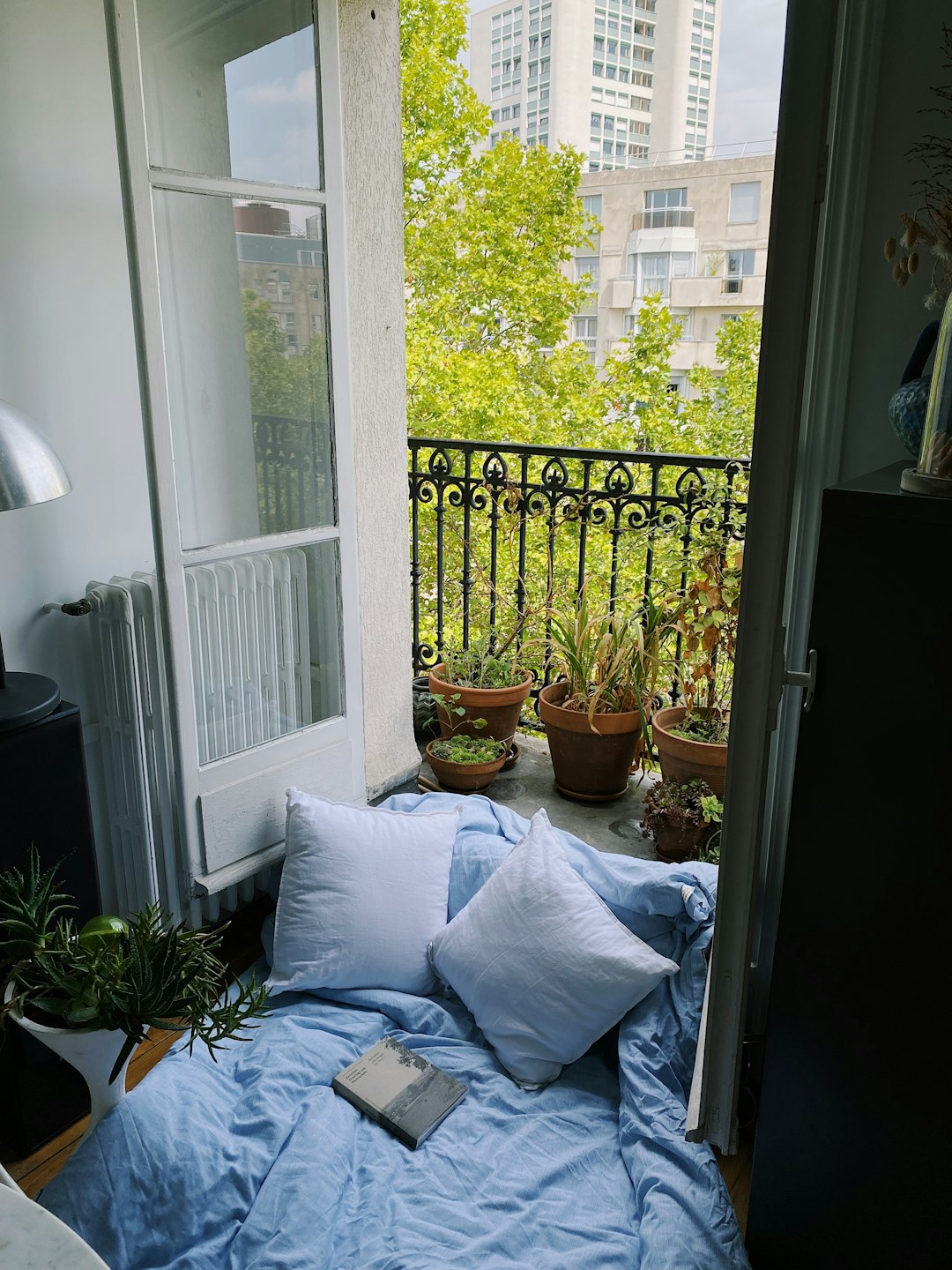
Why Renting an Apartment in France is More Complicated for Americans
French landlords are cautious. Very cautious. The law in France protects tenants so strongly that evicting a non-paying tenant can take twelve months or longer. Because of this, landlords scrutinise every application with great care. They are looking for stability, proof of income, and a guarantor who can cover the rent if you cannot.
As an American, you face an extra layer of difficulty. You likely do not have French payslips, a French bank account history, or a French-based guarantor. This does not make it impossible, but it does mean you need to prepare more thoroughly than a local applicant would.
The good news is that thousands of Americans rent successfully in France every year. Knowing what landlords expect — and how to present yourself professionally — makes all the difference.
The Dossier: Your Most Important Document
In France, applying for a rental flat means assembling a dossier. This is a formal collection of documents that you submit to the landlord or letting agency. Think of it as a job application, but for a flat.
A standard French rental dossier includes:
- Proof of identity (passport for Americans)
- Proof of income — typically the last three payslips, or a letter from your employer
- Last three months of bank statements
- Last two years of tax returns (French avis d’imposition, or foreign equivalent)
- Proof of current address (a recent utility bill or official letter)
- Details of your guarantor, if you have one
For Americans, the payslips will be from a US employer. That is acceptable, but you must have them translated if the landlord requests it. Your last two years of US tax returns (Form 1040) can substitute for the French avis d’imposition. Many landlords and agencies are familiar with international applicants and will accept foreign documents, though it varies widely.
One tip that makes a real difference: have your documents ready and organised before you even start viewing properties. Rentals in Paris and other major cities move quickly. If you see a flat on Tuesday and cannot submit your dossier until Thursday, someone else may have taken it by Wednesday morning.
Join 7,000+ France Lovers — Subscribe Free →Income Requirements and the Guarantor Question
French landlords typically want to see that your monthly income is at least three times the monthly rent. This is not a legal requirement, but it is the standard expectation across the market. If you are renting a flat at 1,200 euros per month in Paris, you should be able to demonstrate monthly income of at least 3,600 euros.
If your income does not meet this threshold — or if you are retired, freelance, or living off savings — you will almost certainly be asked for a guarantor. In France, a guarantor (called a garant) is someone who legally agrees to pay your rent if you cannot. Landlords strongly prefer a French-resident guarantor with a stable French income.
This is where many Americans hit a wall. You may not know anyone in France willing or able to act as your garant. There are a few practical solutions:
- Visale: A free guarantor scheme run by Action Logement, available to people under 30 or those with certain employment types. Worth checking at visale.fr if you qualify.
- Private guarantor services: Companies like Garantme or Cautioneo charge a monthly fee (typically 3–5% of rent) to act as your guarantor. This is legal and widely accepted by landlords.
- Furnished rentals: Landlords of furnished (meublé) properties sometimes apply slightly different requirements and can be more open to applicants without a French guarantor.
If you are planning a longer move and want to understand all of this in detail before you arrive, the full Move to France guide covers the entire process from visa to signed lease, including what to do when the standard route does not apply to your situation.
Furnished vs Unfurnished: Which Should You Choose?
France draws a clear legal distinction between furnished rentals (location meublée) and unfurnished rentals (location vide). For Americans arriving from abroad, furnished rentals are usually the better starting point.
Here is why:
- Shorter minimum lease: A furnished rental has a minimum lease of one year (or nine months for students). An unfurnished lease is three years minimum. If you are still figuring out whether France is right for you long-term, furnished gives you more flexibility.
- No furniture to buy or move: Starting from scratch in a foreign country is expensive. A furnished flat lets you arrive with your suitcase and be settled the same week.
- Slightly easier approval: Furnished landlords are often private individuals rather than large agencies, and they sometimes take a more flexible approach to international applicants.
The trade-off is cost. Furnished rentals in Paris and Lyon tend to be 10–20% more expensive than comparable unfurnished properties. For a long-term stay where you plan to bring furniture or buy locally, an unfurnished lease may work out cheaper over time.
You can check real costs by region in our guide to the real cost of living in France in 2026.
Deposits, Fees, and What to Expect at Signing
A few costs catch Americans by surprise when signing a French rental contract.
The deposit (dépôt de garantie) is typically one month’s rent for unfurnished properties and two months’ rent for furnished ones. This is held by the landlord and returned within one to two months of you leaving, minus any deductions for damage beyond normal wear and tear. French law is specific about what can and cannot be deducted — landlords cannot charge for repainting walls simply because they need freshening up after years of use.
Agency fees apply when you rent through an agence immobilière rather than directly from the landlord. These fees are regulated by law and capped based on the size of the property and the zone (Paris has stricter caps than rural areas). For a typical Paris flat, expect agency fees of around 8–15 euros per square metre. So for a 35m² studio, that might be 280–525 euros.
The état des lieux is the inspection report completed at the start and end of your tenancy. It is essential. Every scratch on a wall and every mark on the floor gets documented. When you move out, the move-out état des lieux is compared to the move-in one. Take your time with this inspection, photograph everything, and keep a copy.
For the financial side of your move, our guide to banking in France for Americans explains how to open an account before or shortly after arriving, which matters for setting up direct debit payments for rent.
Finding Properties: Where Americans Actually Look
The main platforms for renting in France are:
- Leboncoin.fr — France’s largest classifieds site, with a huge rentals section. Many private landlords list here directly.
- SeLoger.com — Agency-focused, comprehensive coverage in cities and larger towns.
- Pap.fr — Direct rentals from private landlords only, no agency fees.
- Airbnb long-term — Useful for a first month while you search for something more permanent.
For Americans moving to France on a long-stay visa, it is also worth searching in English-speaking expat groups on Facebook. Many US expats in Paris, Lyon, Bordeaux, and Provence use these communities to pass on flats or share leads — landlords who have previously rented to English speakers are often comfortable doing so again.
If you still need to sort your visa before your lease can begin, our guide to the French long-stay visa for Americans walks through the process step by step.
Tenant Rights in France: What Protects You
The same laws that make landlords cautious about applicants also give you strong protections once you are a tenant.
- Your landlord cannot enter your home without your permission.
- Rent increases are capped and tied to a national index (the IRL — Indice de Référence des Loyers).
- In Paris and many other cities, there are rent controls (encadrement des loyers) that set maximum legal rents by neighbourhood and property size. You can check whether your proposed rent is within the legal cap on the official government site.
- Eviction in winter is heavily restricted. Between 1 November and 31 March, evictions of primary residents are banned — this is the trêve hivernale (winter truce).
These protections are real and enforced. If a landlord tries to raise your rent illegally or evict you improperly, you have the right to contest it through the Tribunal d’Instance.
You Might Also Enjoy
- Buying Property in France as a Non-Resident: The Complete Guide
- Where to Retire in France in 2026: The Best Regions for Americans
- French Healthcare for Retired Expats: What You Need to Know
Plan Your France Move
Ready to take the next step? Start with our France Planning Hub — a complete resource for travellers and those planning a longer stay, from first visit to finding your feet in your new home.
What documents do I need to rent an apartment in France as an American?
You will need a valid passport, three months of bank statements, proof of income (US payslips or employer letter are accepted), your last two years of US tax returns, and proof of your current address. If your income is less than three times the monthly rent, you will also need a guarantor or a guarantor service.
Can Americans rent an apartment in France without a French guarantor?
Yes. You can use a private guarantor service such as Garantme or Cautioneo, which act as your legal guarantor in exchange for a monthly fee of around 3–5% of your rent. Many Paris landlords and agencies accept these services, and they are a practical solution for international applicants who do not have contacts in France.
How long is a typical rental contract in France?
Unfurnished rentals have a minimum term of three years, which automatically renews unless notice is given. Furnished rentals have a minimum term of one year (or nine months for students). Most expats start with a furnished rental for flexibility, then switch to unfurnished once settled.
What is a dossier in French renting, and why does it matter?
A dossier is the package of documents you submit when applying for a rental property. French landlords use it to assess your financial stability and reliability as a tenant. Having a complete, well-organised dossier — with translated documents if necessary — can make the difference between securing a flat or losing it to another applicant.
Join 7,000+ France Lovers
Every week, get France’s hidden gems, local recipes, and travel inspiration — the kind you won’t find in any guidebook.
Subscribe free — enter your email:
Love more? Join 64,000 Ireland lovers → · Join 43,000 Scotland lovers → · Join 30,000 Italy lovers →
Free forever · One email per week · Unsubscribe anytime
Tours & experiences you might love


Powered by Viator. Some links are affiliate links — we may earn a small commission at no extra cost to you.

Leave a Reply