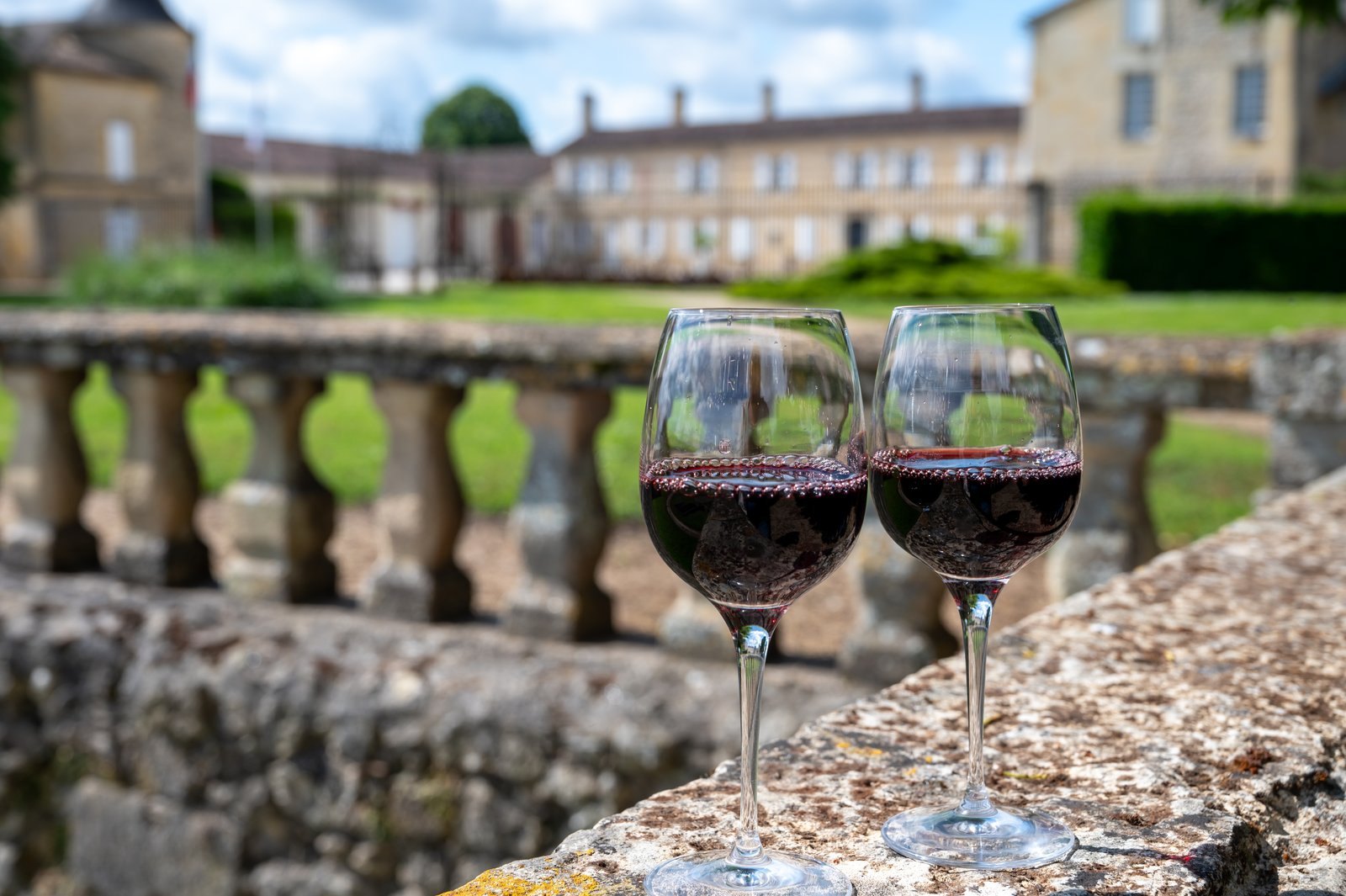
In the early 1900s, a bottle of Bordeaux served in a Paris restaurant might contain wine from Spain, Algeria, or a cheap blend from anywhere south of Lyon. The label meant nothing. The name meant nothing. And French winemakers were furious.
What followed was one of the most remarkable chapters in French food history — a scandal that sparked riots, a riot that forced a law, and a law that became the foundation of how wine is understood and labelled across the entire world.
The Fraud That Nobody Was Stopping
France had already survived the phylloxera catastrophe. In the late 1800s, a tiny American aphid had wiped out nearly two-thirds of all French vines. It was a devastation that took decades to recover from.
When the vineyards slowly came back, something worse arrived. Wine merchants began buying wine in bulk from North Africa and southern Europe, blending it cheaply, and selling it under France’s most prestigious names. A bottle labelled Châteauneuf-du-Pape might never have come within a hundred miles of the southern Rhône.
The fraud was entirely legal. France had no law protecting wine names. And with no law, the names meant nothing at all.
The Day Champagne Set Itself on Fire
By 1911, the Champagne producers of the Marne had reached their limit.
For years, merchants had been selling wine made from grapes grown far outside the region — and sometimes from other countries entirely — under the Champagne name. The price of genuine Champagne grapes was collapsing. Honest producers could not compete with fraudulent ones who had no connection to the land.
In early 1911, riots broke out across the Champagne villages. Cellars were ransacked. Bottles smashed. Buildings burned. The French army was called in. The “Champagne riots” are barely a footnote in most history books, but they shook the government hard enough to force action.
It took more than a decade for anything concrete to follow. And when it did, it started not in Paris with politicians, but in the Rhône Valley with a single winemaker and a local judge.
One Winemaker’s Argument With a Broken System
Baron Pierre Le Roy de Boiseaumarié was not a career politician. He was a fighter pilot turned winemaker who had bought an estate in Châteauneuf-du-Pape after the First World War.
What he found there frustrated him. The name of his wine — one of the oldest and most respected in the south of France — was being borrowed freely by producers who had no connection to the place, the soil, or its centuries of tradition.
So he wrote rules. Specific rules. Only these grape varieties. Only these soils. A minimum natural alcohol level. No irrigation. He persuaded a local court to legally recognise the geographic boundaries of the appellation in 1923. By the early 1930s, Châteauneuf-du-Pape had become the first officially recognised appellation in France.
It worked. And it pointed the way to something far bigger.
Enjoying this? 7,000 France lovers get stories like this every week. Subscribe free →
The Law That Made Wine Labels Mean Something
In 1935, the French government passed the Law of Appellations d’Origine Contrôlée. A year later, it created the Institut National des Appellations d’Origine — INAO — to manage and protect the system across the country.
For the first time, a wine label carried a legal guarantee. Bordeaux had to come from Bordeaux. Chablis had to come from Chablis. Champagne had to come from Champagne. The permitted grape varieties, the production methods, even the maximum yield per hectare — all defined in law.
Fraud became a crime rather than a business model. The name on the label finally meant something you could hold the producer to. If you want to understand what that guarantee looks like in practice, exploring Burgundy’s wine villages is one of the best ways to feel the AOC system up close — every slope, every village, every label tells a story with legal weight behind it.
The Idea That Crossed Every Border
What France did not expect was that the rest of the world would copy its idea almost immediately.
Italy introduced its DOC system — Denominazione di Origine Controllata — in 1963. Spain formalised its DO system across its regions through the 1970s. The United States launched its American Viticultural Area classification in 1978. Today, virtually every wine-producing country on earth runs some version of what a Rhône Valley winemaker invented in the ruins of a broken system a century ago.
When you browse France’s wine regions today, every appellation on the map carries the DNA of that original argument. Châteauneuf-du-Pape did not just protect its own name. It built the architecture that protects all of them.
If you are still putting together your French trip, the France planning hub covers everything you need to know before you go.
That bottle of wine on your restaurant table is not just fermented grapes. It is a legal promise made on a specific patch of French soil. The French did not invent that promise for tourists. They invented it because the alternative — wine meaning nothing — was simply unacceptable.
Join 7,000+ France Lovers
Three times a week, get France’s hidden gems, seasonal guides, local stories, and the art of la vie française — straight to your inbox.
Subscribe free — enter your email:
Free forever · Unsubscribe anytime
🇫🇷 You Might Also Love
Tours & experiences you might love


Powered by Viator. Some links are affiliate links — we may earn a small commission at no extra cost to you.

Leave a Reply