
Every bottle of Chanel No. 5 carries a secret. It’s not in the formula. It’s in the geography.
That secret lives in Grasse — a hilltop town of 50,000 people perched above the French Riviera, where the air has smelled different from everywhere else on earth for five centuries.
How a Town Built on Leather Became Obsessed with Scent
Grasse wasn’t always about perfume. In the 16th century, it was known for leather — specifically the fine gloves that were fashionable at the French court. The problem was the smell. Curing leather stank.
The solution came from the flowers growing wild across the surrounding hills. Perfume-makers began infusing gloves with jasmine, rose, and lavender. The gloves sold. The leather faded. The flowers stayed.
By the 17th century, Grasse had reinvented itself entirely. It became the perfume capital of the world, and it has held that title ever since.
The Flowers That Cannot Be Grown Anywhere Else
What makes Grasse irreplaceable isn’t tradition. It’s microclimate.
The town sits in a narrow band of land between the Alps and the Mediterranean. Warm winters. Cool summers. Soil with just the right mineral content. The result is flowers with a concentration of scent that simply doesn’t exist elsewhere.
Grasse jasmine — harvested by hand in August — contains fragrance molecules that no synthetic process has successfully replicated. The same is true for the rosa centifolia, the small, densely petalled rose grown here each May, whose scent forms the backbone of many of the world’s best-known perfumes.
A single kilogram of rose absolute requires around 3.5 tonnes of hand-picked petals. The farmers who grow them know each flower by sight.
Inside a Grasse Perfumery
The great perfume houses of Grasse — Fragonard, Galimard, Molinard — have been operating for over a century. They welcome visitors, and the experience is unlike anything in a museum.
You’ll stand at a long wooden counter lined with hundreds of small glass vials. Each one holds a different scent molecule — green, woody, floral, animalic. A perfumer guides your nose through them in sequence, training you to separate what you assumed was one smell into a dozen different components.
The master perfumers — called le nez, literally “the nose” — spend years learning to identify over 3,000 distinct scents. Some are born with unusual olfactory sensitivity. All are trained with a dedication that borders on the obsessive.
Enjoying this? 7,000 France lovers get stories like this every week. Subscribe free →
What Visiting Grasse Actually Feels Like
The old town is steep, narrow, and slightly chaotic. Streets built for mules, not cars. Stone staircases wind between buildings that have stood since the Middle Ages.
What you notice first isn’t the view — though the view across the Esterel hills toward the sea is extraordinary. It’s the smell. The air in Grasse genuinely smells different. On warm days, when the windows of the perfumeries are open, the scent drifts through the streets like something from another century.
The Musée International de la Parfumerie tells the full history — from ancient Egypt to the modern fragrance industry. It’s one of the best specialist museums in France, and almost no one outside the region knows it exists.
Grasse sits between Nice and Cannes, making it an easy day trip from either. Most visitors to the Riviera drive straight past. If you’re planning a wider Provence trip, our Provence travel guide covers the region in full, including how to combine Grasse with the villages and landscapes that surround it.
The Right Time to Visit
Timing matters. The rosa centifolia harvest runs from mid-May to early June. The jasmine harvest happens in August. During both, the fields around Grasse are accessible, and many flower farms welcome visitors.
Even outside harvest season, Grasse is worth the detour. The perfumeries run guided tours year-round, and the old town is beautiful in any weather.
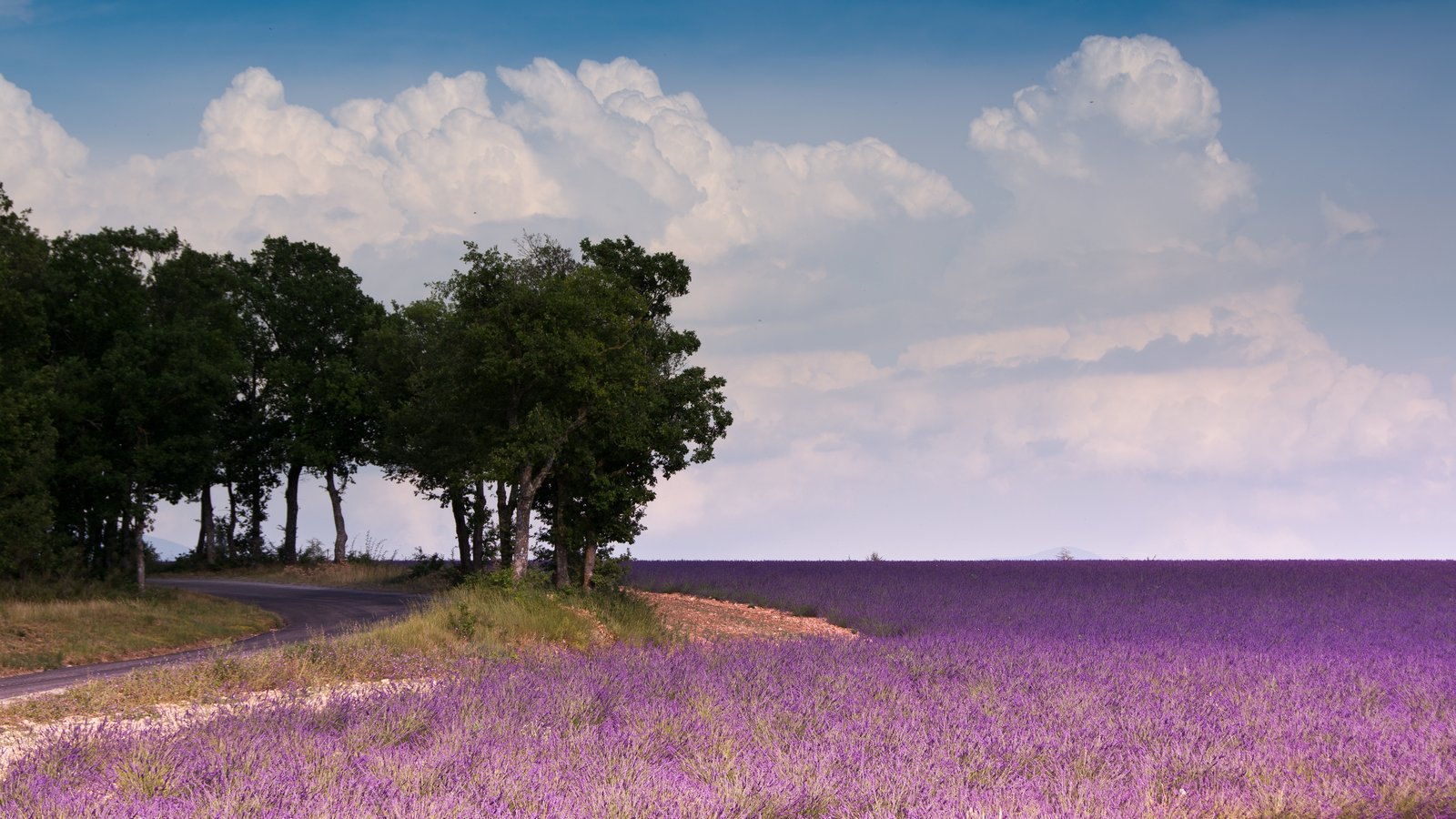
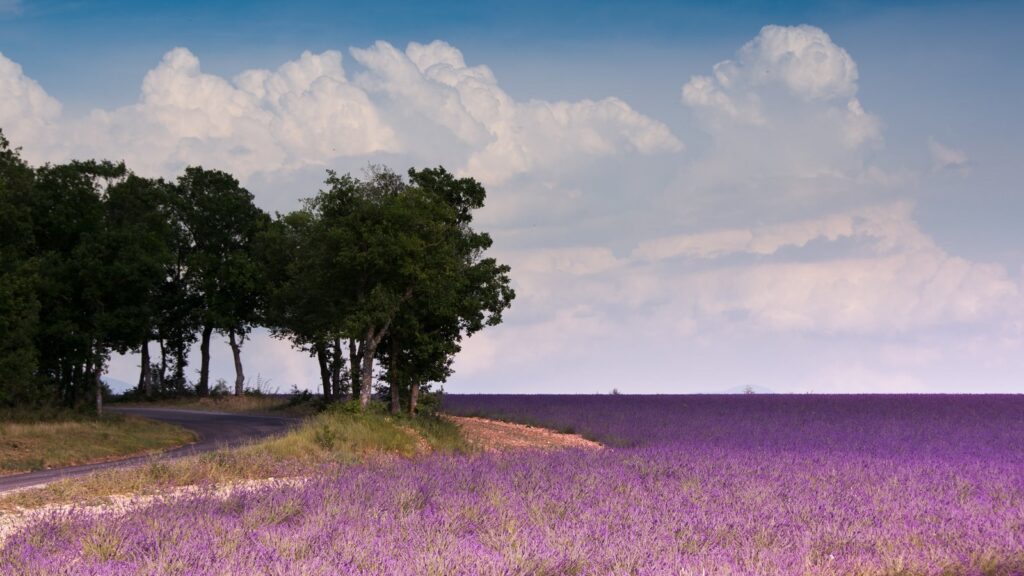
For those combining Grasse with a wider Provence itinerary, the lavender plateau at Valensole — about 90 minutes inland — pairs naturally with a day in town. The lavender harvest in Provence runs from late June into July, making it easy to time both visits in a single trip. For wider trip-planning help, start with our France trip planning guide.
The Town That Smells Like Nowhere Else
The fragrance industry is worth billions. Its raw materials come from a few dozen kilometres of Provençal countryside.
Think about that the next time you open a bottle of perfume. Somewhere in its heart — in the jasmine top note, or the rose heart, or the warm base — is a field you could visit. A town you could walk through. A harvest you could watch with your own eyes.
Grasse has never needed to advertise itself loudly. The world already knows where to find it.
Join 7,000+ France Lovers
Three times a week, get France’s hidden gems, seasonal guides, local stories, and the art of la vie française — straight to your inbox.
Subscribe free — enter your email:
Free forever · · Unsubscribe anytime
🇫🇷 You Might Also Love
Tours & experiences you might love


Powered by Viator. Some links are affiliate links — we may earn a small commission at no extra cost to you.

Leave a Reply