
Dordogne Travel Guide: What to See, Do and Eat in France’s Most Beautiful Region
The Dordogne might be France’s best-kept secret. Tucked into the southwest of the country, this region of golden limestone cliffs, medieval châteaux, prehistoric caves, and river valleys has been drawing visitors for centuries — yet it never feels overrun. If you’ve been to Paris, Provence, or the Loire Valley and wondered where else France has to offer, the Dordogne is your answer.
Love France? Join 7,000+ readers on our free newsletter → lovetovisitfrance.substack.com
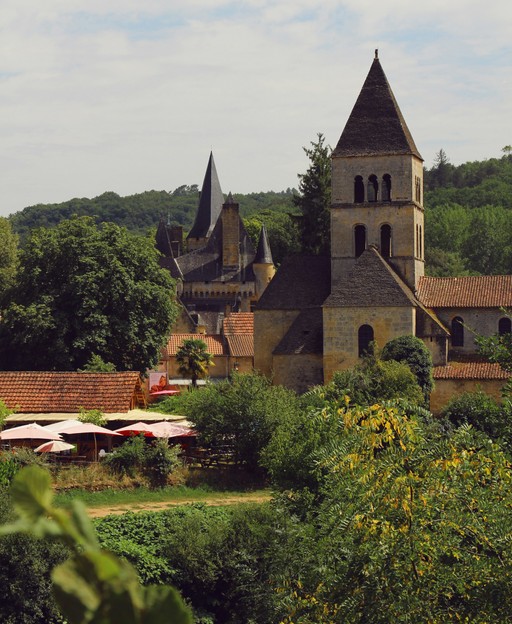
The Dordogne department — sometimes called Périgord, its historic name — covers roughly 9,060 square kilometres of the Nouvelle-Aquitaine region. It borders Lot-et-Garonne to the south, Corrèze to the north, and shares its character with neither. The Dordogne is its own world: slow, generous, ancient, and quietly magnificent.
What Makes the Dordogne So Special?
Few places in France carry as much history into one landscape. The Dordogne River has been carving its wide, looping course through limestone for millions of years, and humans have been following it just as long. The Lascaux caves — discovered in 1940 near Montignac — contain paintings made roughly 17,000 years ago, making this one of the oldest inhabited regions in all of Europe.
But the Dordogne isn’t just about the deep past. The Middle Ages left their mark just as dramatically. More than 1,000 châteaux are scattered across the region — more than any other French department. Many are perched on cliffs above the river, built by English and French lords who fought over this land for centuries during the Hundred Years’ War (1337–1453). The villages of Domme, La Roque-Gageac, Beynac-et-Cazenac, and Castelnaud have barely changed since those conflicts ended.
The Four Périgords: Which Area Suits You?
The Dordogne is traditionally divided into four zones, each with a distinct character. Knowing the difference helps you plan a more focused trip.
Périgord Noir (Black Périgord)
This is the heart of the Dordogne and the part most visitors fall in love with. Named for its dense oak forests, Périgord Noir runs along the Dordogne River between Sarlat and Souillac. The villages here — Beynac, La Roque-Gageac, Domme, Castelnaud — are among the most photographed in France. Sarlat-la-Canéda, the main market town, is a perfectly preserved medieval city where Renaissance mansions line pedestrian streets. Come on a Saturday morning when the outdoor market fills the central squares with foie gras, walnuts, truffles, and local wines.
Périgord Blanc (White Périgord)
Centred around Périgueux, the regional capital, Périgord Blanc is less visited but rewards those who make the effort. Périgueux itself is worth a half-day: the Saint-Front Cathedral, with its five domes modelled on St Mark’s Basilica in Venice, dominates the old town. The city also has a surprisingly good Roman quarter — the Tour de Vésone is a remarkably intact Roman tower from the 2nd century AD.
Périgord Vert (Green Périgord)
The northern section of the Dordogne is the greenest and most rural. Rolling farmland, river valleys, and forests make it ideal for walking and cycling. Brantôme — known as the Venice of Périgord — sits on an island in the Dronne River and is one of the most charming towns in the region. The 11th-century Benedictine abbey, carved directly into a cliff face, is extraordinary.
Périgord Pourpre (Purple Périgord)
The southwest corner takes its colour from the vineyards. Bergerac is the main town and wine capital of the area. The Bergerac wine region produces more than 13 different appellations, including the sweet white Monbazillac, which pairs magnificently with the local foie gras. The area also claims a connection to Cyrano de Bergerac, the fictional swashbuckling hero created by Edmond Rostand — a statue stands in the main square.
The Top Villages to Visit in the Dordogne
The Dordogne’s villages are its greatest asset. Six of them appear on the official list of Les Plus Beaux Villages de France (the Most Beautiful Villages in France), an organisation that lists just 178 villages across the entire country.
Beynac-et-Cazenac
Beynac clings to a cliff 150 metres above the Dordogne River, its medieval castle brooding over a perfect loop in the water. The castle (open daily, entrance around €9) was one of the four baronies of Périgord and has survived largely intact since the 13th century. The village below has no more than a few hundred permanent residents, several restaurants, and a canoe hire point where you can paddle the river to Castelnaud — roughly 45 minutes downstream.
La Roque-Gageac
Wedged between a sheer cliff face and the river, La Roque-Gageac was once voted the most beautiful village in France. The troglodyte fort above the village — carved into the rock itself — dates to the Middle Ages. In summer, flat-bottomed gabarre boats depart from the riverside for an hour-long journey along the Dordogne, offering a completely different perspective on the cliffs and châteaux.
Domme
Domme sits on a promontory 180 metres above the Dordogne Valley and was founded in 1281 as a bastide (a planned medieval new town). The view from the Belvédère de la Barre — across the river and valley, with Beynac visible in the distance — is one of the finest panoramas in France. Domme also has a network of natural caves beneath the village, open to visitors from April to November.
Rocamadour
Technically just over the border in the Lot department, Rocamadour is so close to Périgord Noir that every Dordogne itinerary includes it. A medieval pilgrimage town, it climbs vertically up a cliff in seven levels of chapels, sanctuaries, and ramparts. On a clear morning, before the tour buses arrive, it looks almost unreal.
📬 Get France in Your Inbox — Free
Hidden villages, local recipes, and travel inspiration from across France every week. Join 7,000+ readers who already subscribe.
Subscribe Free →What to Eat in the Dordogne
The Dordogne has one of the strongest regional food identities in France. A few things define the table here:
Foie gras: The Dordogne produces more foie gras than anywhere else in France. You’ll find it in every market, restaurant, and épicerie. Served warm with toasted brioche, or cold as a terrine — this is the defining dish of the region.
Truffles: Périgord Noir is France’s black truffle capital. The Périgord black truffle (Tuber melanosporum) is harvested between November and March, and the markets at Sarlat, Périgueux, and Sainte-Alvère fill with truffle hunters during the season. Even outside truffle season, you’ll find truffle-infused oils, pastes, and pasta dishes throughout the region.
Walnuts: The Dordogne is the walnut heartland of France. Walnut oil, walnut wine, walnut cake, and candied walnuts appear everywhere. The Noix du Périgord holds an AOC (Appellation d’Origine Contrôlée) designation — the same level of protection as Champagne and Roquefort.
Confit de canard: Slow-cooked duck leg, preserved in its own fat — a staple of Périgord kitchens for centuries. Served with sarladaise potatoes (cooked in duck fat with garlic and parsley), it’s one of the best meals you’ll eat in France.
Bergerac wine: The vineyards of Bergerac produce bottles that rarely appear outside southwest France. The Pécharmant red and Saussignac sweet white are both worth seeking out. Wine is sold directly from châteaux throughout the region, often at prices that would seem impossible back home.
Prehistoric Sites: Lascaux and Beyond
The Dordogne Valley holds the greatest concentration of Palaeolithic cave paintings in the world. The original Lascaux cave, discovered in September 1940 by four teenagers following their dog, was closed to the public in 1963 after visitor breath began damaging the 17,000-year-old paintings. But Lascaux IV — an exact replica using the latest digital scanning and reproduction techniques — opened in 2016 at Montignac. Entry costs around €20 for adults and includes an immersive tour through faithful reproductions of every painted chamber.
The Grotte de Font-de-Gaume, near Les Eyzies, is one of the last decorated prehistoric caves still open to visitors with original paintings. Entry is strictly limited to 78 people per day — book as far in advance as possible. Les Eyzies itself is home to the Musée National de Préhistoire, which holds one of the most important prehistoric collections in Europe.
Getting Around the Dordogne
A car is almost essential for exploring the Dordogne properly. The villages are spread across a wide area and public transport between them is sparse. Sarlat makes the best base: it sits at the centre of Périgord Noir, within 20 minutes of Beynac, La Roque-Gageac, Domme, and the cave sites. Périgueux is the best base for Périgord Blanc and Vert, with the advantage of a train connection to Bordeaux (around 1h15).
From Bordeaux airport, Sarlat is approximately 2 hours by car. From Paris, the drive takes around 5 hours, or you can take the TGV from Paris Montparnasse to Périgueux (around 4 hours with one change). The France by train guide has full details on reaching the southwest.
Cycling is popular in the region, particularly along the Dordogne River valley between Souillac and Sarlat. The valley is largely flat along the riverside, with climbs to villages like Domme offering rewarding views.
When to Visit the Dordogne
The Dordogne is at its most beautiful in May, June, and September. The summer months (July and August) bring large crowds to Sarlat and the river villages — accommodation prices rise sharply and the narrow streets of medieval villages can feel congested by mid-afternoon. Visiting in shoulder season means more space, lower prices, and weather that’s often better than the height of summer.
The truffle and foie gras season (November to March) offers something different: markets filling with seasonal produce, fewer tourists, and an opportunity to see the region as it actually lives. Sarlat’s Christmas market in December is one of the most atmospheric in France.
The region suits anyone planning a broader southwest France itinerary. It pairs naturally with Bordeaux (2 hours west), the Lot Valley (30 minutes east), and Carcassonne (2.5 hours south). The best time to visit France guide gives a useful month-by-month breakdown across all regions.
Where to Stay in the Dordogne
Sarlat-la-Canéda is the natural hub for Périgord Noir. The town has a good range of hotels, from budget options on the outskirts to atmospheric stone-walled gîtes within the medieval centre. For a more rural experience, the Dordogne has one of the highest concentrations of holiday rental properties in France — many in converted farmhouses or stone cottages with private pools.
La Roque-Gageac and Beynac both have small hotels with river views. These fill quickly in summer — book three to four months ahead if you want July or August in one of the riverside villages.
Périgueux offers better value and more hotel choice for those exploring Périgord Blanc and Vert, with the bonus of a genuine French city atmosphere rather than a tourist bubble.
Frequently Asked Questions About the Dordogne
How many days do you need in the Dordogne?
Four to five days is the minimum to see Périgord Noir properly, including Sarlat, the main river villages, and at least one prehistoric cave site. A full week allows you to explore all four Périgords and visit Périgueux, Brantôme, and Bergerac as well.
Is the Dordogne worth visiting without a car?
It’s possible but difficult. Sarlat can be reached by train (changing at Le Buisson or Souillac), and some river villages are accessible by bicycle from the town. However, the prehistoric cave sites, the Château de Castelnaud, and most of the region’s highlights require a car or a guided tour based in Sarlat.
What is the difference between the Dordogne and Périgord?
They refer to the same place from different perspectives. Dordogne is the modern administrative department name, while Périgord is the historic regional name used since the Middle Ages. Locals use both terms interchangeably — and proudly.
You Might Also Enjoy
- Bordeaux Travel Guide: What to See, Do and Drink in France’s Wine Capital
- Carcassonne Travel Guide: How to Visit France’s Greatest Medieval City
- Paris vs Provence: Which Part of France Should You Visit First?
Plan Your France Trip
Ready to start planning? Our France trip planning hub covers everything from getting there to getting around, budgeting, and where to go based on your interests.
Join 7,000+ France Lovers
Every week, get France’s hidden gems, local recipes, and travel inspiration — the kind you won’t find in any guidebook.
Subscribe free — enter your email:
Love more? Join 64,000 Ireland lovers → · Join 43,000 Scotland lovers → · Join 30,000 Italy lovers →
Free forever · One email per week · Unsubscribe anytime
Tours & experiences you might love


Powered by Viator. Some links are affiliate links — we may earn a small commission at no extra cost to you.

Leave a Reply