
This Loire Valley travel guide covers everything you need to plan a memorable trip — châteaux, wine villages, scenic drives, and the best towns to use as your base. The Loire Valley stretches across central France for roughly 280 kilometres. It holds more UNESCO-listed châteaux than any other region in France. And yet it draws a fraction of the crowds that flood Paris each summer. That gap is the opportunity.
Love France? Join 7,000+ readers on our free newsletter → lovetovisitfrance.substack.com
Where Is the Loire Valley?
The Loire Valley runs through the Centre-Val de Loire region, roughly two hours south-west of Paris by train. The Loire is France’s longest river. It flows from the Massif Central to the Atlantic coast at Saint-Nazaire. The heart of the valley — the part most travellers explore — sits between Gien in the east and Angers in the west.
This stretch of river became home to the French royal court during the 15th and 16th centuries. The kings of France built their châteaux here, away from the heat and politics of Paris. When the court eventually moved back to Versailles, the châteaux stayed behind. Today, they are among the finest examples of Renaissance architecture anywhere in Europe.
The Best Châteaux to Visit in the Loire Valley
There are hundreds of châteaux in the Loire Valley. Most visitors only have time for a handful. These four are worth prioritising.
Château de Chambord
Chambord is the largest château in the Loire Valley and one of the most recognisable buildings in France. François I began construction in 1519. The château has 440 rooms, 365 fireplaces, and a famous double-helix staircase at its centre. The two staircases spiral around each other, so two people climbing at the same time never meet. The design has been linked to Leonardo da Vinci, who spent his final years in the Loire Valley.
The grounds around Chambord are also worth your time. The estate covers over 5,000 hectares and you can cycle or walk through forests and wetlands. Stags and wild boar roam freely here. Arrive early to beat the tour buses.
Château de Chenonceau
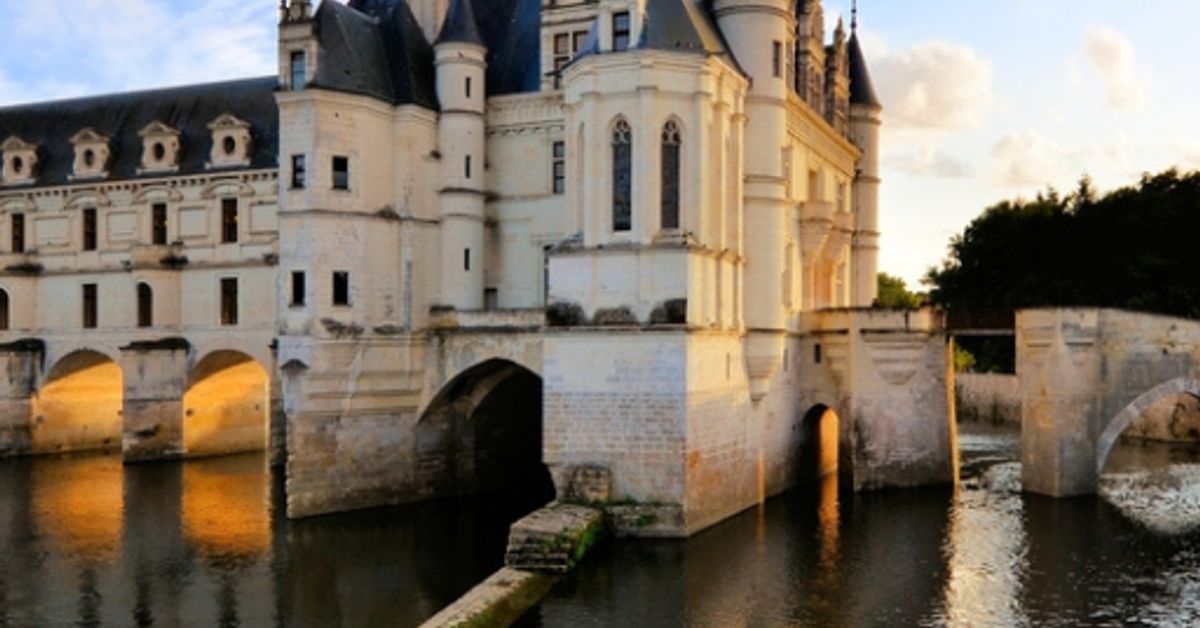
Chenonceau is the most visited château in the Loire Valley, and it earns that title. The building spans the River Cher on a series of arches, with a long gallery stretching across the water. It looks more like a fairy tale than a military fortress — because it was never meant to be one. It was designed by women, built for pleasure, and passed between powerful queens and noblewomen across three centuries.
During the First World War, the gallery became a military hospital. Today you walk through rooms decorated with Flemish tapestries, Renaissance furniture, and flower arrangements that the château’s gardeners change twice a week. Nearby châteaux also hold fascinating secrets worth exploring.
Château d’Azay-le-Rideau
Azay-le-Rideau sits on a small island in the Indre River. It is smaller than Chambord and Chenonceau, but many visitors find it the most beautiful. Construction began in 1518. The white stone reflects in the river on calm mornings. The interior holds a grand staircase with sculpted medallions and coffered ceilings. Outside, a formal garden surrounds the moat. Evenings here are particularly atmospheric — the château hosts a sound and light show from May to September.
Château de Villandry
Most châteaux in the Loire Valley are famous for their architecture. Villandry is famous for its gardens. The formal gardens cover six hectares and follow a strict Renaissance design — geometric beds, manicured hedges, and colour-coded planting. The kitchen garden alone contains over 50 varieties of vegetables, planted in patterns so precise they look decorative rather than practical. Villandry is at its best in July and August when the full planting is in bloom.
Loire Valley Wine: What to Drink and Where
The Loire Valley produces some of France’s most drinkable wines. It is not as famous as Bordeaux or Burgundy, but that works in your favour. Prices are lower, and the wines are more approachable for visitors who are not wine specialists.
The Key Wine Styles
Muscadet is the local white wine of the western Loire, made near the city of Nantes. It is bone dry, crisp, and pairs perfectly with the region’s freshwater fish and seafood. Vouvray, made from Chenin Blanc near Tours, ranges from dry to sweet. The sparkling version, Vouvray Pétillant, makes a fine aperitif. Sancerre and Pouilly-Fumé come from the eastern Loire and both use Sauvignon Blanc — fresh, mineral, and aromatic.
For red wine, try Chinon and Bourgueil, both made from Cabernet Franc. They are lighter than Bordeaux reds, with a raspberry and earthy character. Serve them slightly cool on a warm afternoon.
Many of the region’s vineyards are open for visits and tastings. The tourist offices in Amboise, Blois, and Tours can recommend estates that welcome visitors without appointments.
Best Towns to Base Yourself in the Loire Valley
Amboise
Amboise is one of the most popular bases in the Loire Valley, and for good reason. The town is small enough to walk across in twenty minutes, but it packs in a royal château, a Leonardo da Vinci museum, a good market, and several wine bars. Chambord, Chenonceau, and Blois are all within easy cycling or driving distance. The train from Paris Saint-Pierre-des-Corps takes about two hours and connects to Amboise in fifteen minutes.
Blois
Blois sits in the centre of the Loire Valley and works well as a hub for exploring both east and west. The town has its own royal château, where four French kings stayed at different times. The old town climbs steeply from the river, with half-timbered houses, narrow staircase lanes, and independent restaurants on almost every corner. Blois also has direct trains from Paris Austerlitz.
Saumur
Saumur sits at the western end of the Loire Valley, where the Thouet meets the Loire. The town is famous for its sparkling wine, its mushroom caves, and its military riding school. The châteauhere sits high above the river and looks straight out of a medieval illustration. Saumur makes a good base if you want to focus on the Anjou region and explore at a slower pace.
When to Visit the Loire Valley
The best months to visit the Loire Valley are May, June, and September. Temperatures are pleasant, the gardens are in full colour, and crowds are manageable. July and August are warmer but also busier. The châteaux fill up by mid-morning, and popular restaurants book out days in advance.
Autumn is underrated. October brings harvest season across the vineyards and the surrounding forests turn copper and gold. Cycling is excellent in mild autumn weather. Many châteaux also run special evening events through September and October.
Winter is quiet. Some châteaux reduce their opening hours or close entirely for restoration. But if you can visit in December or January, you will often have the grounds almost to yourself.
Getting to the Loire Valley from Paris
From Paris, the fastest route to the Loire Valley is by train. TGV services from Paris Montparnasse reach Tours in about one hour. Slower intercity trains from Paris Austerlitz take around two hours and stop at Amboise and Blois. From the US, you will arrive at Charles de Gaulle airport and need to travel into central Paris first before connecting to the Loire.
The Loire Valley also works well as a road trip. If you are planning two weeks in France, driving from Paris to the Loire and then continuing south or west gives you flexibility. Most of the châteaux are not well connected by local transport, so a hire car makes it easier to reach them on your own schedule.
For those based in Paris who want a day out, the Loire Valley is reachable — but one day is not enough to do it justice. Consider it as a day trip option only if you can visit just one or two châteaux and are happy with a long day of travel.
How Long to Spend in the Loire Valley
Two to three days covers the main highlights. Four or five days gives you time to slow down, explore the wine villages, cycle along the river, and visit a few of the lesser-known châteaux without rushing. If you love history, architecture, or wine, a week in the Loire Valley is not excessive.
Loire Valley Travel Guide: Practical Tips
Book popular châteaux in advance, especially Chambord and Chenonceau in peak season. Queues at the entrance can run to an hour or more without a timed ticket.
The Loire à Vélo cycling route follows the river for over 800 kilometres. Even if you only cycle a short section, it is one of the most pleasant ways to move between villages and vineyards. Bikes are available to hire in most of the main towns.
Most châteaux are quietest in the early morning and late afternoon. Midday is the busiest time. If you are visiting in summer, arrive when the gates open and take your lunch break when the crowds arrive.
Frequently Asked Questions
How many days do you need in the Loire Valley?
Two to three days gives you time to visit the main châteaux at a comfortable pace. If you want to explore wine villages, cycle along the river, or visit smaller châteaux beyond the famous ones, plan for four to five days.
Is the Loire Valley worth visiting?
Yes, without question. The Loire Valley holds more Renaissance châteaux than anywhere else in France. It also has excellent local wine, good food, and a relaxed pace that feels very different from Paris. It suits travellers who want to slow down and explore rather than tick off landmarks.
Can you do the Loire Valley as a day trip from Paris?
Technically yes, but it leaves you very little time. A day trip from Paris allows you to visit one or two châteaux before heading back. To really experience the Loire Valley — including the wine villages and riverside cycling — you need to stay at least one night.
What is the best château to visit in the Loire Valley?
Château de Chenonceau is the most popular, and it lives up to its reputation. Château de Chambord is the most dramatic in scale. If you only have time for one, Chenonceau tends to be the more memorable experience for first-time visitors.
You Might Also Enjoy
- The Double Helix Staircase at Chambord — and the Leonardo da Vinci Theory
- The Loire Valley Château With 237 Secret Hiding Places
- Provence Travel Guide: Everything You Need to Plan Your Visit
Plan Your France Trip
Ready to start planning your Loire Valley visit? Our France Trip Planning Hub has everything you need — from visas and transport to suggested itineraries and practical tips for first-time visitors.
Join 7,000+ France Lovers
Three times a week, get France’s hidden gems, local recipes, and travel inspiration — the kind you won’t find in any guidebook.
Subscribe free — enter your email:
Free forever · Unsubscribe anytime
🇫🇷 You Might Also Love
Tours & experiences you might love


Powered by Viator. Some links are affiliate links — we may earn a small commission at no extra cost to you.

Leave a Reply