
The Loire Valley Villages That Most Visitors Never Even Notice

Most visitors to the Loire Valley rush between Chambord, Chenonceau, and Amboise. They tick them off. Then they drive home. What they miss is the valley in between — the small villages and towns that have barely changed in five centuries.
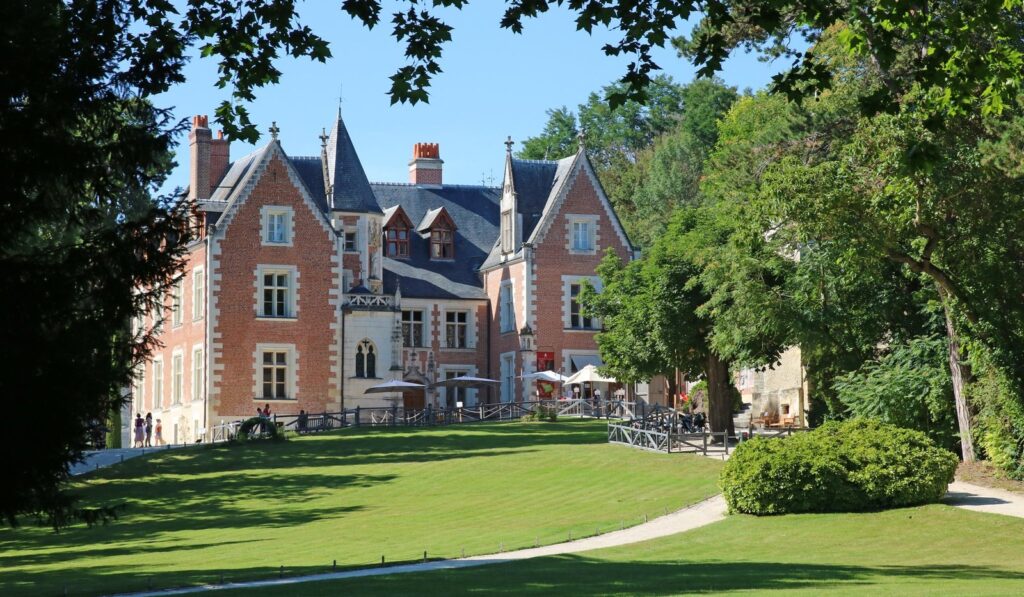
Langeais Castle in the Loire Valley, surrounded by formal gardens
Photo: Shutterstock

The UNESCO designation protects the entire Loire Valley, not just the famous châteaux. Dozens of villages sit along the river and its tributaries, most of them never mentioned in guidebooks.

More Than Just Châteaux

The Loire Valley stretches nearly 280 kilometres from Sancerre to Angers. That is a lot of ground. Somewhere along the way, the tourist trail becomes very narrow — and the real valley opens up beside it.

Langeais is one of the first surprises. The town sits just west of Tours, right on the river. Its château dates from 1465, built by Louis XI as a military fortress. Unlike most Loire châteaux, Langeais still contains its original medieval furniture. Nobody stripped it out. The great hall looks much the way it did when it was in use.

Outside the gates, the town carries on normally. There are boulangeries, a Thursday market, and stone houses that lean toward the river. Tour groups rarely stop here.

Montrésor — A Village Worth the Detour

Montrésor sits in the Indre Valley, about 30 kilometres southeast of Tours. France included it on the official Les Plus Beaux Villages list — an honour given only to villages that meet strict heritage and aesthetic standards.

The château here has an unexpected story. A Polish count, Xavier Branicki, bought it in 1849. He filled it with Polish art and furniture, and his descendants still live there today. The interior is unlike anything else in the Loire Valley.

Below the château, a medieval lane of stone houses runs down to the Indrois river. There are no souvenir shops. A small café opens at weekends. The place is quiet in a way that many French villages no longer are.

Where Two Rivers Become One

Candes-Saint-Martin stands at the exact point where the Vienne river meets the Loire. It is easy to drive past without stopping. That would be a mistake.

Stand on the bank and you can watch the two rivers join — the Vienne running clear and cool into the wider Loire. This is also the spot where Saint Martin of Tours died in 397 AD. He was one of the most influential figures in early Christian Gaul. A large collegiate church rose here in his memory, and much of it still stands.

The village has fewer than 400 residents. The church dwarfs everything around it. Entry is free.

Enjoying this? 7,000 France lovers get stories like this every week. Subscribe free →

Lavardin — The Ruined Castle Worth Seeing

Lavardin is a small village near Vendôme, in the northern Loire Valley. Most visitors never reach this far north.

The ruined castle above the village dates from the 11th century. France listed it as a monument historique in 1862. Ivy and centuries of weathering have shaped the walls, but enough remains to show how large the fortress once was. The views from the top over the Loir Valley make the climb worthwhile.

Down in the village, the Church of Saint-Genest holds Romanesque frescoes from the 11th to 15th centuries. Some art historians rank them among the finest in France. They sit in a small, cold church in a village of around 250 people. Most visitors to the Loire never see them.

How to Reach These Villages

You need a car to reach most of them. Rural public transport in the Loire Valley is limited.

The most practical approach is to weave these stops into a larger trip. If you plan a few days in the region, add one small village to each day’s route. Our Loire Valley Travel Guide covers the best ways to structure your time between the famous sights and the quieter places.

Montrésor and Lavardin deserve at least two hours each. Candes-Saint-Martin works as a shorter stop of around an hour. Langeais suits a half-day. All four sit within easy reach of Tours or Amboise. If you want to go deeper into the valley’s hidden architecture, the double helix staircase at Chambord remains one of the Loire’s most discussed puzzles. And if you are building a longer French itinerary, the France planning hub has everything you need.

Frequently Asked Questions

What is the best time to visit the Loire Valley villages?

Late spring (May to June) and early autumn (September to October) are ideal. The weather is mild, crowds are smaller than in peak summer, and the countryside looks its best.

Do you need a car to visit the hidden villages of the Loire Valley?

Yes. Villages like Montrésor, Lavardin, and Candes-Saint-Martin have no regular public transport. A hire car from Tours or Blois gives you the most flexibility.

Are the smaller Loire Valley villages free to visit?

Walking around the villages is free. Entry fees apply to some châteaux and churches — usually between €5 and €12 per person. Lavardin’s ruins are free to walk through.

How many Loire Valley villages can you visit in a day?

Two or three smaller villages fit comfortably into a full day, especially if you combine them with one larger château visit. Factor in time for lunch — the villages have small local restaurants worth using.

Join 7,000+ France Lovers

Every week, get France’s hidden gems, seasonal guides, local stories, and the art of la vie française — straight to your inbox.

Subscribe free — enter your email:

Love more? Join 65,000 Ireland lovers → · Join 43,000 Scotland lovers → · Join 29,000+ Italy lovers →

Free forever · One email per week · Unsubscribe anytime

The Loire Valley is one of the most visited regions in France. But most of its visitors see only a fraction of it. The real valley — quiet, unhurried, and largely unchanged — is still there, waiting in between the car parks and the famous gates.

Loved this? Share it 🇫🇷
📘 Facebook 𝕏 Post 💬 WhatsApp

Comments

Leave a Reply

Your email address will not be published. Required fields are marked *
