
The TGV from Paris takes 1 hour and 35 minutes to reach Dijon. Most passengers glance at the screen, see the name, and return to their books. They are making a mistake.
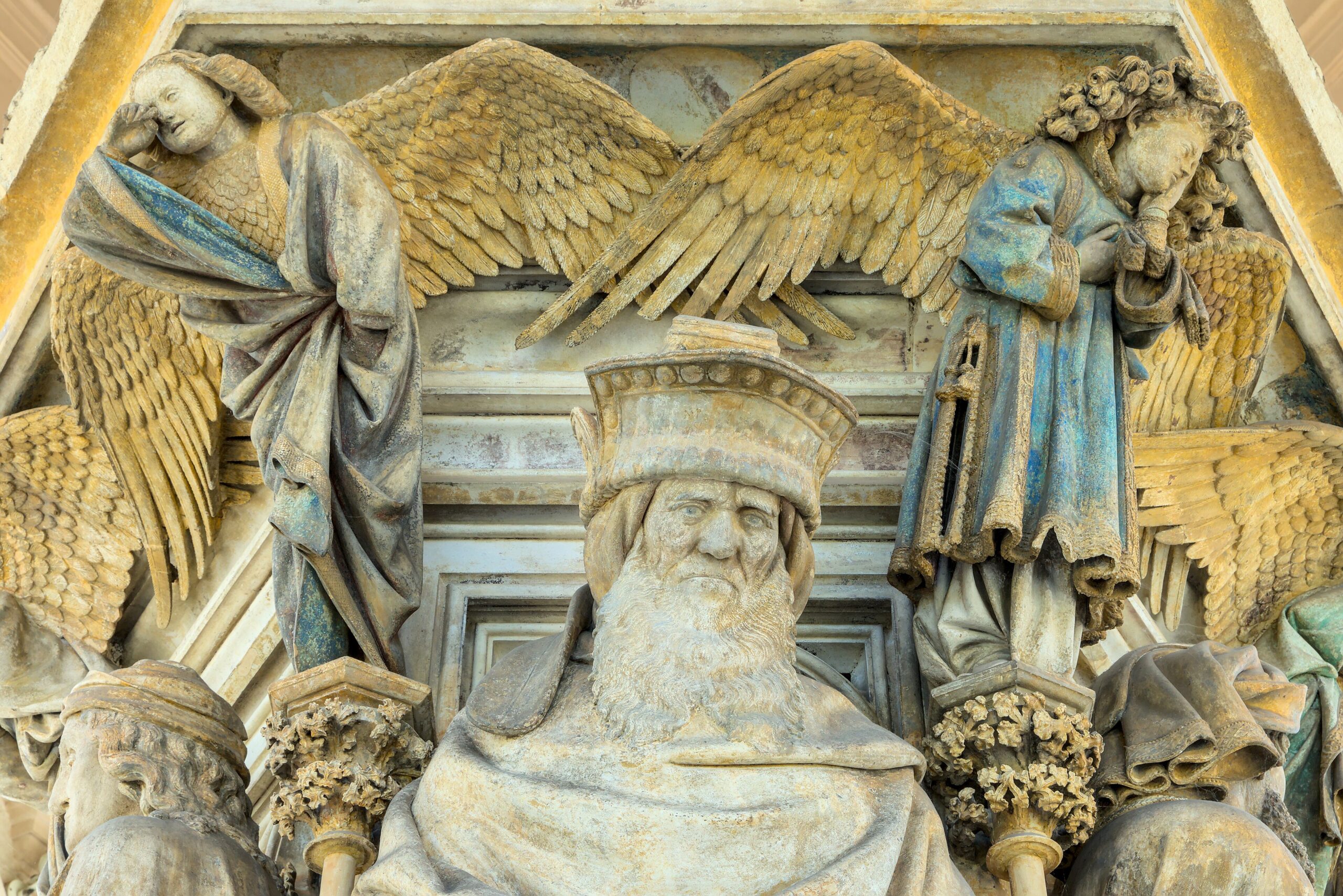
Dijon holds more listed medieval buildings than any French city outside Paris. It has a Gothic palace, a covered market older than the United States, and hidden courtyards that most visitors never find. The mustard is famous. But it is honestly the least interesting thing about the city.
The Owl Trail Through the Old Quarter
Bronze owl markers sit flush with Dijon’s cobblestones. Follow them and they guide you through 22 stops in the medieval city — past carved doorways, merchant houses, and streets that have not changed their layout in 600 years.
The trail begins at the Church of Notre-Dame de Dijon. On the building’s north wall, a small stone owl has sat at eye level since the 13th century. Tradition holds that touching it with your left hand grants a wish. Generations of hands have worn the stone smooth.
This trail costs nothing. Few guidebooks mention it. Locals use it as a way of explaining their city to guests without words.
The Ducal Palace and the Forgotten Kingdom
From 1363 to 1477, Burgundy was not part of France. It controlled its own territory — from the Rhine to the North Sea — and the Dukes of Burgundy were among the richest rulers in Europe. Dijon was their capital.
Builders completed the first wing of the Ducal Palace in the 14th century. Later dukes expanded it across three more generations. Today it houses the Musée des Beaux-Arts — one of France’s finest regional art museums — with no entry fee for the permanent collection.
Inside, you can walk through the original ducal kitchens, see the carved stone tombs of Philip the Bold and John the Fearless, and stand in rooms where foreign ambassadors came to negotiate. Teams of sculptors spent more than 40 years completing the tombs alone. If you want to go deeper into Burgundy’s medieval history and wine villages, the region rewards slow exploration.
Most visitors spend under an hour here. It deserves at least three.
The Market That Eiffel Also Built
The Halles de Dijon opened in 1876. Architects used the same cast-iron framework that Gustave Eiffel later applied in Paris. The great iron hall fills twice a week — on Tuesdays and Saturdays — with producers from across Burgundy and the Jura mountains.
What to look for at the market
Comté cheese from mountain caves. Époisses — a strong, washed-rind cheese that Napoleon reportedly loved — wrapped in rounds of spruce bark. Crème de cassis, made from Burgundy’s blackcurrant harvest. Pain d’épices, a dense spiced bread with honey and anise that local bakers have made here since the Middle Ages.
Come early. By 12:30, the stalls close and the vendors vanish. Before you visit, it helps to read through our France travel planning guide to make the most of your time in the region.
🇫🇷 Discover the France Most Tourists Never Find
Get our free guide to 25 hidden villages of France — then join 7,000+ readers for weekly stories about places most guidebooks never mention.
Get Your Free Village Guide →The Mustard Myth
Factories outside France now produce almost all Dijon mustard. Farmers once grew the seeds in Burgundy’s own fields; today, most of the crop comes from Canada, where the same Brassica plants grow in vast quantities.
One exception survives. The Moutarderie Fallot in Beaune — 30 minutes from Dijon by car — still grinds mustard seeds on old stone mills and uses French-grown seeds when the harvest allows. They run tours of the production floor. The mustard you take home tastes entirely different from the supermarket version.
Dijon lost the product. It kept the name, the reputation, and the story. That is a very French outcome.
The Courtyards Behind Closed Doors
Dijon’s medieval merchants built their houses inward. The street façade showed little. Their real wealth lived in the courtyard behind — carved stonework, gallery walkways, private gardens hidden from the street.
Many of these courtyards still exist. The Hôtel Chambellan on Rue des Forges has one of the finest. A spiral staircase climbs through the open courtyard. At its base, a carved stone figure appears to carry the entire structure on one shoulder. Historians still disagree on when someone added him — or why.
Dijon’s tourist office publishes a map of the open courtyards. Most welcome visitors during daylight hours. Push the wooden doors. They open more often than you expect.
What is the best time to visit Dijon, France?
Spring (April to June) and early autumn (September to October) offer pleasant weather and full market days. November is ideal for wine lovers — the Hospices de Beaune wine auction, 30 minutes away, draws buyers from across the world.
How do you get from Paris to Dijon by train?
The TGV from Paris Gare de Lyon reaches Dijon in 1 hour 35 minutes. Trains run frequently throughout the day, and Dijon sits on the main Paris–Marseille high-speed rail line. This makes it easy to combine with Lyon or Provence on the same trip.
What should you eat and drink in Dijon?
Order bœuf bourguignon, Époisses cheese, pain d’épices (spiced honey bread), and a kir — white Burgundy wine mixed with crème de cassis. The covered market on Tuesday and Saturday is the best place to find all four at once.
Is Dijon worth visiting for a day trip from Paris?
Yes. One day covers the owl trail, the Ducal Palace museum, and the covered market. Stay one night and you can explore the hidden courtyards in the evening light and drive to the Moutarderie Fallot in Beaune the next morning.
Most people step back onto the TGV. They continue to Lyon, or Provence, or the coast. Dijon watches them go without urgency. It was a kingdom before France existed. It knows how to wait.
Join 7,000+ France Lovers
Three times a week, get France’s hidden gems, seasonal guides, local stories, and the art of la vie française — straight to your inbox.
Subscribe free — enter your email:
Free forever · Unsubscribe anytime
Tours & experiences you might love


Powered by Viator. Some links are affiliate links — we may earn a small commission at no extra cost to you.

Leave a Reply