
In medieval Bordeaux, picking grapes before permission was a crime. Landowners imposed fines. Officials patrolled the vines. And the harvest date — decided by council, not by calendar — was the single most important announcement of the year.
Eight centuries later, Bordeaux still lives by the harvest signal.
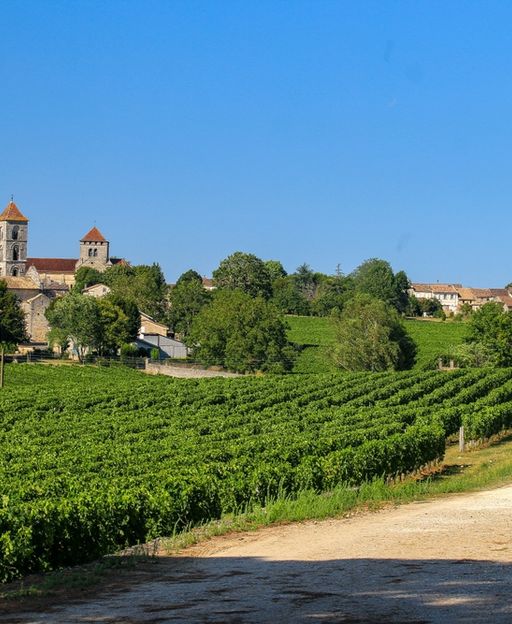
The Law That Governed Every Grape
Medieval authorities called it the ban des vendanges — the official proclamation that the harvest could begin.
Before this announcement, no one touched the grapes. It did not matter if the bunches looked perfect. It did not matter if rain was coming the following week. The ban was the law, and breaking it meant fines, confiscation, or worse.
The logic was practical. By controlling the harvest date, authorities protected the reputation of Bordeaux wine. They stopped growers from picking too early, when sugar levels were still low. They kept prices stable. They turned the harvest into a collective act rather than a scramble.
The ban shaped Bordeaux’s identity as a region that treated wine not as a simple crop but as a shared responsibility — one that belonged to the whole community.
How the Tradition Lives On Today
Modern winemakers no longer wait for a council announcement. Each château runs its own grape analysis — measuring sugar levels, acidity, and the ripeness of the skins — to choose the exact day to begin.
But the spirit of the ban survives in the culture. Patience is still the virtue Bordeaux prizes above all others.
Winemakers walk their vines daily through September. They taste grapes. They check the forecasts. They compare notes with neighbours, sometimes for weeks, before they give the order to pick. Nobody rushes. The harvest begins when the grapes are ready, and not before.
The best estates still treat this moment with the same gravity their medieval predecessors gave to the official proclamation. It matters here. It has always mattered here.
Saint-Émilion Kept the Ceremony Alive
Enjoying this? 7,000 France lovers get stories like this every week. Subscribe free →
In Saint-Émilion, 40 kilometres east of Bordeaux city, one ancient institution never stopped making the proclamation.
The Jurade of Saint-Émilion — a brotherhood of wine producers the town established in the 12th century — still announces the harvest each autumn from the top of the Tour du Roi, the old royal tower in the medieval centre.
Members wear scarlet and gold robes. They climb the tower in ceremonial order. They ring the bells. Then they read the proclamation aloud over the rooftops of one of France’s most beautiful wine towns.
Crowds gather in the square below. Visitors hold up phones. Locals lift glasses. For a few minutes on a September Saturday, the scene looks almost exactly as it did in 1199.
The ceremony is open to the public and free to attend. If you find yourself near Saint-Émilion in late September, it is worth rearranging your plans to be there.
What Happens When the Picking Begins
The day after the proclamation, the real work starts.
Harvesters arrive before dawn. Many châteaux still use hand-picking — slow and expensive, but the only method that selects individual bunches without crushing them. Workers move along the rows in near-silence at first, focused entirely on finding and cutting the right clusters.
By mid-morning, the air smells of crushed grape skins and warm earth.
At midday, the harvest lunch begins. This is not a quick break. Bordeaux harvest lunches run for two hours. Long tables fill the courtyard of the château. Bottles from previous vintages appear. Cheese boards arrive without warning. The unspoken rule seems to be: eat until you cannot, then return to the vines.
Some traditions resist all pressure to hurry.
When and Where to Experience It
The Bordeaux harvest runs from late September through mid-October. White grapes in Sauternes go first, followed by Merlot and then Cabernet Sauvignon. The exact timing shifts each year based on how the summer developed.
Saint-Émilion is the easiest base for visitors. Trains run regularly from Bordeaux city to nearby Libourne, a short taxi or bike ride from the vineyards. The town itself fills two full days — Roman catacombs, a monolithic church carved entirely from the rock, and more wine bars per street than you can reasonably visit in one trip.
Book accommodation months ahead if you plan to arrive during harvest season. The region fills up quickly.
For a broader guide to visiting France in the autumn, our France trip planning guide covers where to stay, how to arrange château visits, and the best routes through wine country.
Bordeaux’s wine world also stretches far beyond the grand châteaux. France’s most adventurous winemakers are now working in regions most visitors overlook — we explore why the most exciting French wine isn’t always Bordeaux or Burgundy.
When does the Bordeaux grape harvest take place?
The Bordeaux harvest runs from late September through mid-October each year. White grapes in Sauternes go first, usually in late September. Red varieties — Merlot, Cabernet Sauvignon, Cabernet Franc — follow through October. The exact dates shift each year depending on the growing season.
Can visitors attend the Saint-Émilion Jurade harvest ceremony?
Yes — the ceremony is free and open to the public. The Jurade announces the harvest from the Tour du Roi in Saint-Émilion on a Saturday in late September each year. Dates change annually, so check the Saint-Émilion tourism board’s website before you travel.
What is the best way to visit Bordeaux wine country during harvest?
Trains connect Bordeaux city to Libourne in under 30 minutes. From Libourne, taxis or hired bikes reach Saint-Émilion and surrounding vineyards easily. Many châteaux run harvest-season tours — book directly or through the Bordeaux wine tourism office. Accommodation in the region fills fast, so book at least three months in advance.
What is the ban des vendanges in Bordeaux?
The ban des vendanges was a medieval rule that set the official start date for the grape harvest. No grower could pick before authorities gave the signal. Local councils enforced the rule with fines to protect quality and prevent early picking. The tradition gave rise to harvest ceremonies like the Jurade of Saint-Émilion, which still continues today.
A harvest season in Bordeaux has its own rhythm — slow, deliberate, and entirely unhurried. The same discipline that shaped a medieval harvest law still runs through the region today.
Walk the vines at dawn when the pickers have just started. Smell the must rising from the tanks by afternoon. Sit at a harvest lunch that has no intention of ending quickly.
You will understand why Bordeaux still treats the first cut of the season as an event worth marking with ceremony.
Join 7,000+ France Lovers
Three times a week, get France’s hidden gems, seasonal guides, local stories, and the art of la vie française — straight to your inbox.
Subscribe free — enter your email:
Free forever · Unsubscribe anytime
🇫🇷 You Might Also Love
Tours & experiences you might love


Powered by Viator. Some links are affiliate links — we may earn a small commission at no extra cost to you.

Leave a Reply