
Most visitors to France choose Paris, the Loire Valley, or the Riviera. Few make it to the southwest. The Dordogne sits quietly between them all — overlooked and golden — and that is precisely why it rewards the curious traveller.
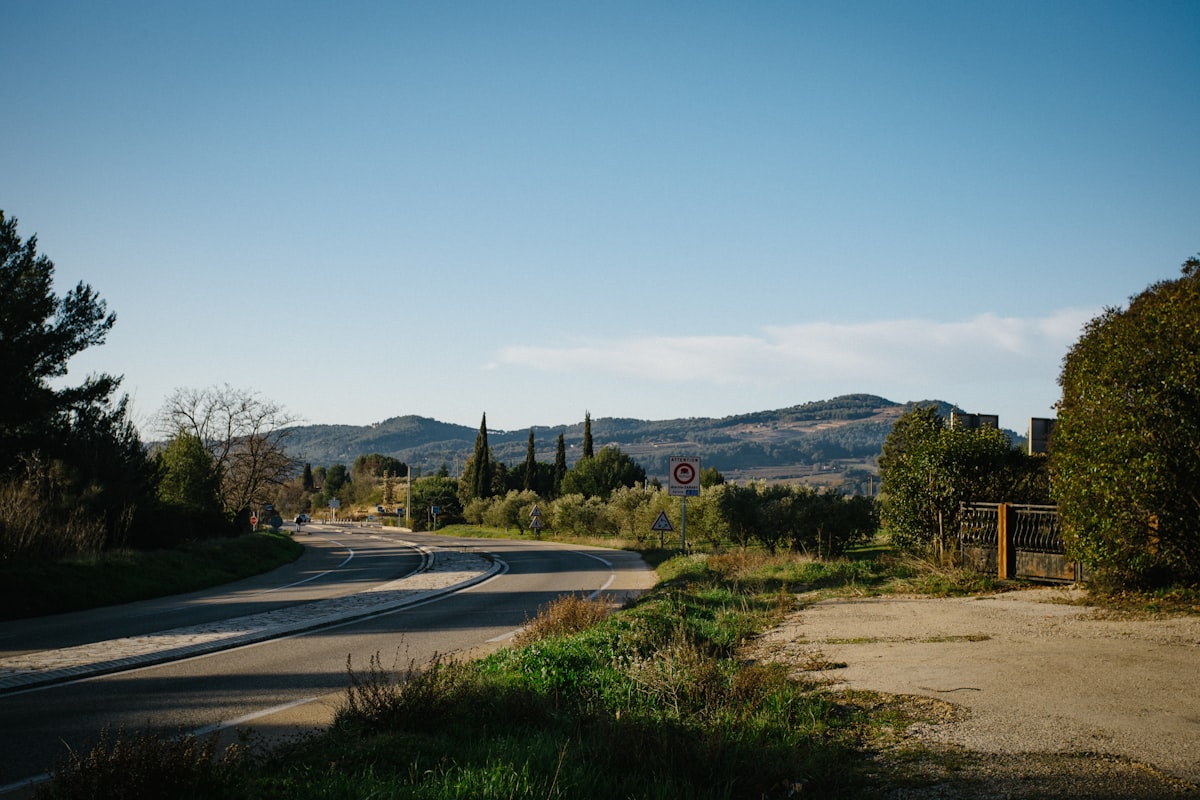
Why the Dordogne Looks Different from Any Other Part of France
The stone here sets the tone. Builders quarried local limestone in shades of honey, amber, and warm gold for centuries. Villages glow at dusk as if lit from within.
Walnut trees line country lanes. The Dordogne river bends lazily through green valleys dotted with medieval towers and cliff-top castles. This is one of the most visually striking landscapes in Europe — and many first-time visitors to France never realise it exists.
The region divides into four areas: Périgord Blanc, Périgord Noir, Périgord Vert, and Périgord Pourpre. The Périgord Noir — the dark-oak heartland around Sarlat — holds the densest cluster of remarkable villages. If you have already visited Sarlat’s legendary Saturday market, these quieter neighbours will take your breath away.
The Villages Most Travellers Miss
La Roque-Gageac sits at the foot of a sheer cliff, its golden houses stacked directly against the rock face. The Dordogne river passes a few metres from the front doors. Canoeists drift past in summer. Visit before 9am to have the riverbank entirely to yourself.
Limeuil marks the precise point where the Vézère river joins the Dordogne. The village clings to the hillside above both rivers. A terraced garden at the summit offers views in every direction. Fewer than 400 people live here year-round.
Saint-Amand-de-Coly requires more effort. The roads narrow to single tracks between oak trees. The village holds a fortified Romanesque abbey that architects consider one of the finest in France. On weekday mornings in spring, you may share it only with the birds.
Enjoying this? 7,000 France lovers get stories like this every week. Subscribe free →
The Town Built on Top of Its Own Caves
Belvès sits on a hilltop and looks like any charming medieval market town. But beneath the streets, troglodyte dwellings survive from the 8th to the 15th century.
Local guides lead tours into caves that families occupied for hundreds of years. You stand in low-ceilinged rooms directly beneath a market square that still runs every Saturday. That contrast — ordinary French daily life above, ancient cave dwellings below — has no equivalent anywhere else in France.
The Dordogne also hides one of France’s great truffle heartlands. Each winter, small market towns across the Périgord Noir come alive for the black gold trade — an ancient ritual that draws buyers from across Europe.
When to Visit and How to Move Around
Skip July and August. Crowds fill Sarlat and La Roque-Gageac during high summer. Late spring — May to mid-June — and early autumn — September to early October — offer warm weather, quieter lanes, and the best golden light.
A hire car is essential. Public transport does not reach these villages. Most of the best spots sit on back roads with no bus service at all.
Use Sarlat as a base and make daily loops through the countryside. Bring cash — several village cafés and small markets do not accept cards. Our France trip planning guide covers driving tips, the best areas to stay, and how to structure your time in the southwest.
Why Fourteen Villages Here Hold France’s Top Honour
The Plus Beaux Villages de France label marks France’s most beautiful communities. The criteria are strict — architecture, setting, historical significance, and upkeep all factor in. France grants it sparingly.
The Dordogne holds fourteen of these designations. That places it among the top regions in France for officially recognised beauty. Each one earns its place.
Travellers who come for Sarlat leave talking about the other places. The hamlet where a shepherd crossed the road with forty sheep. The abbey lost among the oaks with no tourist sign in sight. The café that opened only when the patronne decided the day was right.
These are the moments the Dordogne holds in reserve — for the visitors who look.
When is the best time to visit the hidden villages of the Dordogne?
Late May to mid-June and September offer the best balance of warm weather and empty roads. The smallest villages feel almost entirely quiet outside of July and August. Spring also brings wildflowers along the valley lanes.
Which hidden villages in the Dordogne are most worth visiting?
La Roque-Gageac, Limeuil, Saint-Amand-de-Coly, and Belvès each offer something distinct — cliff-face houses, a river confluence, a world-class Romanesque abbey, and cave dwellings beneath a working market square. Most visitors miss all four.
Do you need a car to explore the Dordogne?
Yes — a hire car is essential. Public transport does not connect most Dordogne villages. Pick up a car from Périgueux, Bergerac, or Sarlat and explore at your own pace. The back roads between villages are half the pleasure.
Join 7,000+ France Lovers
Three times a week, get France’s hidden gems, seasonal guides, local stories, and the art of la vie française — straight to your inbox.
Subscribe free — enter your email:
🇫🇷 Discover the France Most Tourists Never Find
Get our free guide to 25 hidden villages of France — then join 7,000+ readers for weekly stories about places most guidebooks never mention.
Get Your Free Village Guide →Free forever · Unsubscribe anytime
🇫🇷 You Might Also Love
Tours & experiences you might love


Powered by Viator. Some links are affiliate links — we may earn a small commission at no extra cost to you.

Leave a Reply