Drive south from Carcassonne and something shifts. The road signs stay in French, but the flags don’t. The names above café doors don’t match anything you’ve seen further north. Even the architecture — terracotta rooftops, rounded archways, painted shutters in red and gold — feels as though it belongs somewhere else. You’re still in France. But you’ve arrived in a place that has spent four centuries deciding how it feels about that.
The Land That France Won — But Never Quite Claimed
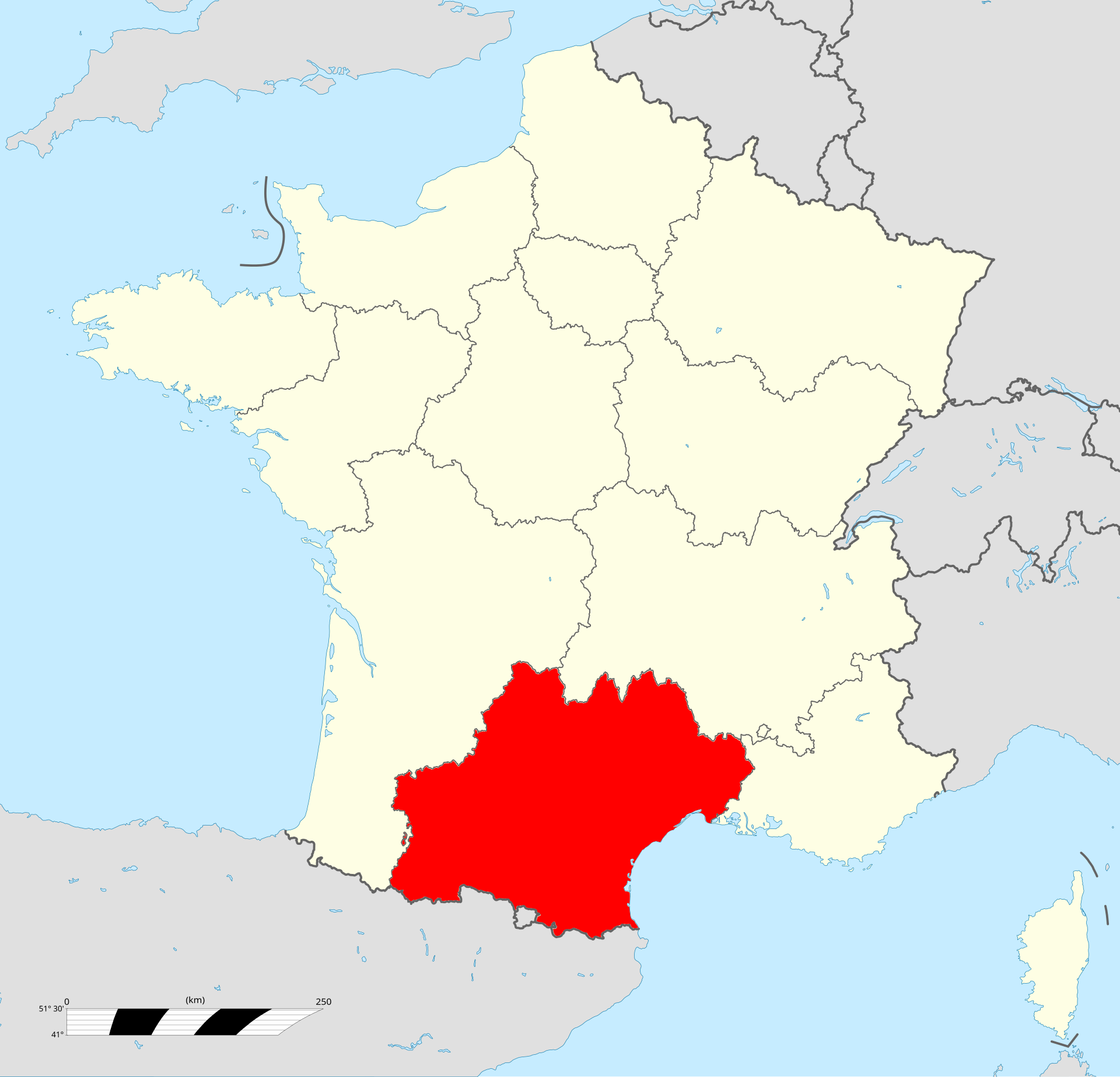
The Roussillon region — now called Pyrénées-Orientales — only became French in 1659. Before that it was Catalan: part of the Crown of Aragon, then the Spanish Empire, for centuries. The Treaty of the Pyrenees drew a line through the mountains and handed the northern side to Louis XIV. The peaks became the border. But borders don’t erase memory.
For generations after, people here spoke Catalan at home and French at the town hall. They buried their dead with Catalan prayers. They flew the Senyera — the red-and-gold Catalan flag — from their windows. They still do.
Ask someone from Perpignan where they’re from, and there’s a good chance they’ll say Catalan first. Then French. Or they won’t say French at all.
What You Notice When You Arrive
The change announces itself in layers. First the road markings, then the shop fronts. Street names appear in two languages — Rue and Carrer. Town squares carry names like Place de la Catalogne. The football grounds are painted in Catalan red and gold, not the blue of France.
In Perpignan, a palace built by the Kings of Majorca still stands at the edge of the old city. It predates the Treaty by three centuries. The city’s football club is among the oldest in France and has always played in Catalan colours.
Come during the Sant Joan festival in June and you’ll find the same bonfires burning that same night in Barcelona, Valencia, and Mallorca. The festival crosses the border the way the language does — without asking permission.
The Villages Perched Above the Valley
Inland from the coast, the villages of the Conflent valley sit on hillsides as they have for 800 years. Eus — in the valley below the great Canigou mountain — is considered one of the most beautiful villages in all of France. Its houses climb the slope in ochre and sun-bleached stone, capped at the summit by a fortified Catalan church.
Walk through Eus on a summer afternoon and the only sound is the church bell rolling down into the valley. Linger long enough and you’ll hear something else: an older generation talking in Catalan from their doorways. Not performing it for visitors. Just talking.
Villages like Eus, Castelnou, and Villefranche-de-Conflent don’t appear in most French travel guides. They’re not famous. They’re just there — as they’ve been for centuries — quietly not being entirely French. If you’re planning a journey through this part of the country, make the valley detour. Most people who do wish they’d come sooner.
🇫🇷 Discover the France Most Tourists Never Find
Get our free guide to 25 hidden villages of France — then join 7,000+ readers for weekly stories about places most guidebooks never mention.
Get Your Free Village Guide →The Food That Gives the Region Away
The cuisine of Roussillon isn’t French cooking gone slightly south. It’s Catalan cooking that happens to sit inside France’s borders. That means anchovies from Collioure — salted and packed in that small harbour for more than 500 years. It means salt cod in a dozen forms, slow-cooked lamb with thyme and garlic, and a dessert wine called Banyuls that ages in oak barrels set outside in the sun.
Collioure itself — a painterly harbour on the Côte Vermeille where the Pyrenees finally meet the sea — was where Matisse spent a summer and changed how he thought about colour. Picasso visited. The anchovies were famous long before either of them arrived.
Further inland, the cooking grows slower and heavier. You’re edging towards the territory of cassoulet — one of southern France’s most fiercely contested dishes — and the Catalan kitchen has been arguing about slow-cooked meat since before the French version existed.
Why France Has Never Quite Explained It
Most visitors to the south of France head to Provence or the Riviera. They pass Perpignan on the motorway without stopping. They miss the medieval castle village of Castelnou. They miss the pink flamingos in the coastal étangs. They miss the fact that Catalan is still taught in local schools and spoken by people under thirty.
Paris barely notices this region. It gets folded into Languedoc on tourist maps — which is a bit like bundling Edinburgh in with London because both happen to be in Britain.
That tension — French by treaty, Catalan by everything else — is what makes this corner of France so quietly remarkable. It doesn’t explain itself. It simply continues, as it has for centuries, playing its own games, cooking its own dishes, and speaking its own language in its own doorways.
The mountain is still the border. The border has never quite been enough.
Join 7,000+ France Lovers
Three times a week, get France’s hidden gems, seasonal guides, local stories, and the art of la vie française — straight to your inbox.
Subscribe free — enter your email:
Free forever · Unsubscribe anytime
🇫🇷 You Might Also Love
Tours & experiences you might love


Powered by Viator. Some links are affiliate links — we may earn a small commission at no extra cost to you.

Leave a Reply