
Most people plan a trip to France and end up spending the whole time in Paris. That is a fine choice. But France has more than one great destination. The best regions in France offer wildly different experiences — from medieval châteaux and lavender fields to wild Atlantic coastlines and Michelin-starred bistros. This guide covers nine French regions, explains what makes each one worth visiting, and helps you pick the one that fits your trip.
Love France? Join 7,000+ readers on our free newsletter → lovetovisitfrance.substack.com
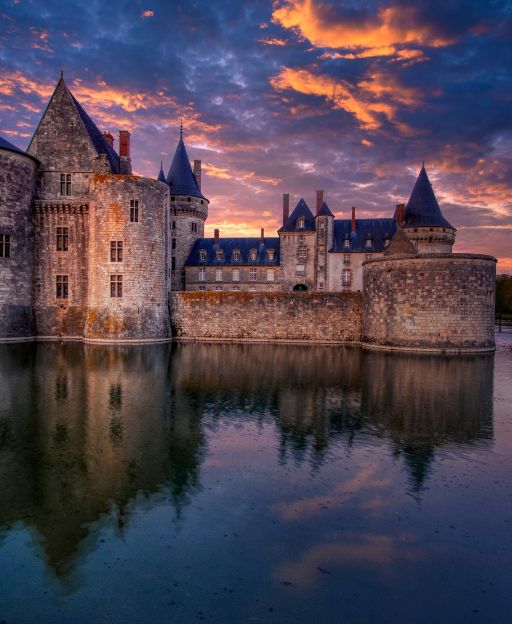
Why France Has So Much Regional Variety
France is roughly the size of Texas. Within that space, you get snow-capped Alps, the Mediterranean coast, Celtic headlands, river valleys full of royal castles, and sun-baked markets in Provence. Each region has its own food, its own dialect, and in some cases, its own distinct identity.
Planning a trip to France means making choices. The country rewards visitors who skip the obvious route and go somewhere less predictable. Start with our complete France planning hub to get the bigger picture. And check when to visit France before you book — timing changes everything, especially in the south.
The Best Regions in France for First-Time Visitors
If this is your first trip, these three regions are the safest bets. Each one delivers a strong sense of place, easy transport links, and real variety within a short drive.
Provence — Lavender, Light and Village Life
Provence sits in south-eastern France, above the Mediterranean coast. Its draw is the light. Photographers and painters have come here for over a century because the colours look different here — sharper, warmer, more vivid.
The region runs from the Rhône delta in the west to the Italian border in the east. Avignon, Arles and Aix-en-Provence are the main cities. Each has its own personality. Arles has more Roman ruins than most cities in Italy, and most of them are still being used today. The Luberon villages — Gordes, Bonnieux, Ménerbes — sit on hilltops above a patchwork of lavender and olive groves.
Best for: Slow travellers, culture lovers, food and wine enthusiasts.
When to go: June to early July for lavender. May and September for fewer crowds.
The Loire Valley — Châteaux and Wine Country
The Loire Valley runs through central France, about two hours south-west of Paris by train. The river moves slowly through flat farmland punctuated by some of the finest Renaissance châteaux in Europe. Château de Chenonceau spans an entire river. Château de Chambord has 440 rooms and a roofline that looks like it was designed by someone showing off.
The Loire Valley is France’s royal valley — the French kings spent centuries here before Paris became the centre of everything. Between the châteaux, there is excellent wine. Sancerre sits at the eastern end of the valley and produces some of France’s finest crisp whites.
Best for: History lovers, wine drinkers, cyclists.
When to go: April to October. July and August are busy but beautiful.
Normandy — History, Coastline and Camembert
Normandy lies directly north of Paris. Most visitors come for the D-Day beaches, which stretch for over 80 kilometres of coastline. They remain among the most moving historical sites in Europe. But Normandy offers more than its wartime history.
The food is extraordinary — cream-based sauces, cider instead of wine, and a cheese-making tradition that gave the world Camembert. The village that invented Camembert nearly lost it forever. Mont-Saint-Michel stands at the border with Brittany — an island abbey that rises out of tidal flats and looks unchanged from the Middle Ages.
Best for: History enthusiasts, foodies, those combining France with a Channel crossing.
When to go: May to September. The coast is dramatic in any season.
France’s Most Underrated Regions
These three regions get far fewer visitors than Provence or Paris. That is precisely what makes them worth including in your plans.
Alsace — Where France Meets Germany
Alsace runs along France’s north-eastern border with Germany. The villages look Bavarian. The food mixes French technique with German ingredients. The wine comes in tall bottles — because many of the grape varieties are the same as across the border. Alsace changed countries four times in less than a century. That identity produced something unique: a region that belongs entirely to itself.
Colmar is the most visited town. Its medieval canal district looks like a stage set. Strasbourg, the regional capital, houses the European Parliament and one of the finest Gothic cathedrals on the continent.
Best for: Wine lovers, architecture enthusiasts, travellers who want something unexpected.
When to go: June to October for warm weather. December for Christmas markets among the best in Europe.
The Dordogne — Medieval Villages and River Valleys
The Dordogne sits in south-west France, inland from Bordeaux. The river cuts through limestone cliffs and past golden stone villages that have barely changed in 500 years. Two rival châteaux faced each other across the Dordogne for two centuries — Castelnaud and Beynac — and both still stand. The area also contains some of Europe’s most important prehistoric cave paintings at Lascaux.
The pace of life is slow. Markets run twice a week. Périgord truffles and duck confit appear on every restaurant menu.
Best for: History buffs, foodies, those seeking a quieter France.
When to go: May to September. Avoid August if possible — French school holidays fill every village.
Brittany — Wild Coasts and Atlantic Soul
Brittany occupies the far north-western tip of France. It is the country’s most distinct region. It feels like a different country — because in many ways it is. The Breton language survives along parts of the coast. The food runs to buckwheat galettes and oysters, not baguettes and boeuf bourguignon.
The coast is wild in a way that Provence is not. Cliff-top paths drop into fishing ports. Tides move fast and high. The light changes by the hour. Dinan is one of the best-preserved medieval walled towns in France, where the Middle Ages never really ended.
Best for: Walkers, outdoor lovers, anyone looking for an Atlantic alternative to the south.
When to go: June to September. Summers are mild and reliable.
How to Choose the Right Region for Your Trip
A few questions help narrow it down quickly.
How much time do you have? If you have under a week, choose one region and stay in it. France rewards slow travel more than fast ticking-off of destinations.
What do you care about most? Food and wine in Lyon or Burgundy. History in Normandy or the Dordogne. Scenery in Provence or the Alps. Architecture in Alsace or the Loire Valley.
What is your base of operations? Paris connects directly to Normandy, the Loire Valley, and Alsace by train. The south — Provence, the French Riviera — is better reached by TGV high-speed rail or by flying into Nice or Marseille.
Do you want cities or countryside? Cities give you restaurants, museums and street life. Countryside gives you space, quiet, and the real France that most visitors never reach.
Frequently Asked Questions
What is the best region in France for first-time visitors?
Provence is the most popular choice for a first trip outside Paris. It combines good weather, strong history, exceptional food and beautiful landscapes in a manageable area. The Loire Valley is a close second if you prefer châteaux and wine to Mediterranean sun.
How many regions can I visit in one trip to France?
Two regions is a comfortable target for a one-week trip. Three is possible if you use the TGV high-speed rail network and keep travel times short. Trying to cover five or six regions in two weeks leads to exhaustion rather than enjoyment.
When is the best time to visit France to avoid crowds?
May, June and September are the ideal months. Prices are lower than July and August, and the major sites are far less crowded. Avoid the last two weeks of July and the first two weeks of August — this is when French school holidays peak and tourism follows.
Which French region is best for food and wine?
Lyon is France’s gastronomic capital. It has more Michelin-starred restaurants per head than any other city in the country. The surrounding Rhône Valley produces some of France’s finest red wines. Burgundy, to the north, is the classic destination for wine tourism specifically.
You Might Also Enjoy
- When to Visit France: The Best Time for Every Season and Region
- Loire Valley Travel Guide: France’s Royal Valley and Its Secrets
- The Lavender Fields of Provence Are Not What You Think
Plan Your France Trip
Ready to plan your trip? Our complete France planning guide covers transport, budgeting, the best time to travel and more — all in one place. Start here: Planning Your Trip to France.
Join 7,000+ France Lovers
Three times a week, get France’s hidden gems, local recipes, and travel inspiration — the kind you won’t find in any guidebook.
Subscribe free — enter your email:
Love more? Join 64,000 Ireland lovers → · Join 43,000 Scotland lovers → · Join 30,000 Italy lovers →
Free forever · Unsubscribe anytime
🇫🇷 You Might Also Love
Thinking about it seriously?
If you’ve started actually planning a move, our complete our complete Moving to France guide walks through every step, every cost, and the paperwork that catches most people out.
Tours & experiences you might love


Powered by Viator. Some links are affiliate links — we may earn a small commission at no extra cost to you.

Leave a Reply