
For over 150 years, France controlled a vast territory in North America. It stretched from Newfoundland to the Gulf of Mexico. Today, millions of people carry the legacy of that empire in their names, their language, and their culture.
French-Canadians, Cajuns of Louisiana, and Acadian communities all trace their roots to New France. This is the story of how it began, how it grew, and why it still matters today.
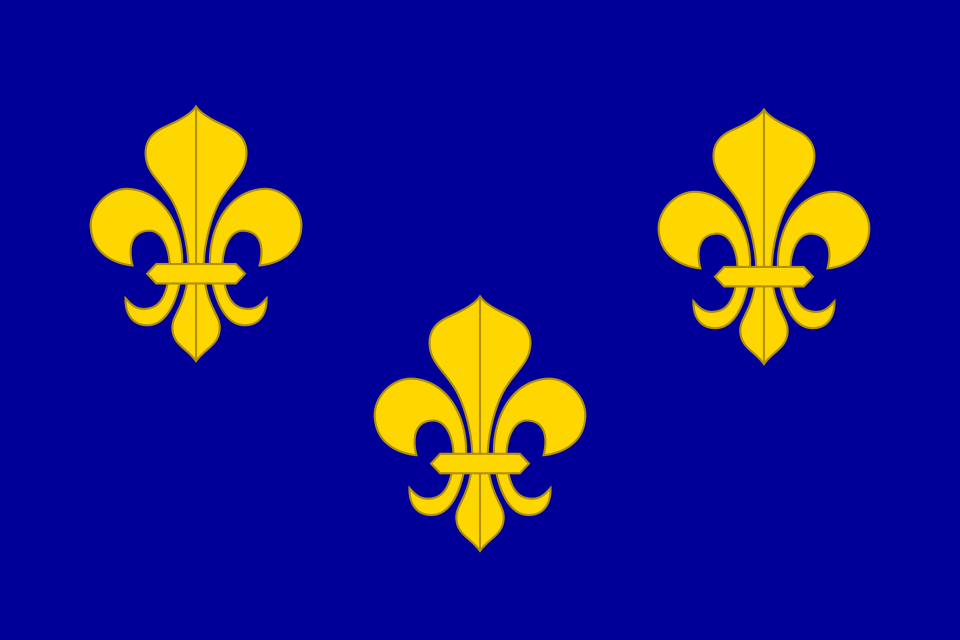
What Was New France?
New France was France’s colonial empire in North America. It ran from 1534 to 1763. At its peak, it covered more than 10 million square kilometres.
The colony included modern-day Quebec, Ontario, and the Great Lakes region. It also took in the Mississippi Valley and the Gulf Coast. The French called this vast southern territory “La Louisiane.”
New France was never heavily settled. In 1760, fewer than 70,000 French settlers lived there. But their impact on North American culture was enormous.
Jacques Cartier and France’s First Claim
Jacques Cartier made the first voyage in 1534. He sailed from Saint-Malo in Brittany and crossed the Atlantic in under three weeks. He planted a cross on the Gaspé Peninsula and claimed the land for France.
Cartier made two more voyages. On his second trip in 1535, he sailed up the St. Lawrence River. He reached the Huron-Iroquois village of Hochelaga, on the site of modern-day Montreal.
Cartier named the region “Canada.” He borrowed the word from the Huron-Iroquois word “kanata,” meaning village or settlement. The name stuck.
France took little interest in Cartier’s findings at first. Religious wars and domestic upheaval kept the court occupied at home. The land sat unclaimed for nearly 70 years.
Samuel de Champlain and the Founding of Quebec
Samuel de Champlain changed everything. He arrived in New France in 1603 and spent three decades building the colony.
In 1608, he founded the settlement of Quebec City. He chose a clifftop site above the St. Lawrence River. The position gave him a natural fortress, much like the fortified towns he had left behind in France.
History knows Champlain as the Father of New France. He mapped the coastline from Nova Scotia to Cape Cod. He forged alliances with Indigenous nations, including the Huron-Wendat and the Algonquin.
Champlain also brought the first settlers who planned to stay. Earlier explorers had come to trade and return. Champlain wanted to build a French society in the wilderness.
The fur trade drove the early colony’s economy. Beaver pelts sold at huge profit in Europe, where they made fashionable felt hats. The St. Lawrence River became the highway of this trade.
Louis XIV and the Growth of New France
New France struggled for its first decades. The colony had few settlers and constant conflict. Then Louis XIV took the throne in France.
In 1663, Louis made New France a royal province. He sent soldiers, settlers, and administrators across the Atlantic. He poured royal money into a colony that had survived largely on its own.
Louis also sent the famous Filles du Roi. These were around 800 young women who crossed the ocean to marry settlers and raise families. Their contribution to French-Canadian heritage was immense.
The population grew fast. By 1700, around 15,000 French settlers lived along the St. Lawrence. Towns grew. Churches rose. French culture took root in North American soil.
🇫🇷 Enjoying this? 7,000 France lovers get stories like this every week. Subscribe free →
La Salle and the Mississippi — France Reaches the Gulf
René-Robert Cavelier de La Salle gave France its southern empire. He left Montreal in 1682 with a party of French soldiers and Indigenous guides.
They paddled south through the Great Lakes and into the Mississippi River. On 9 April 1682, La Salle reached the Gulf of Mexico. He planted a wooden cross and claimed the entire Mississippi basin for France.
He named the territory Louisiana, in honour of Louis XIV. It covered roughly 2.3 million square kilometres. In one expedition, La Salle had nearly doubled the size of French North America.
New Orleans grew from this legacy. French settlers and enslaved Africans built a city on the lower Mississippi delta. The city’s food, music, and language remain deeply French to this day.
See also: The Creoles of Louisiana: The French Heritage That Survived
The People Who Settled New France
Most settlers came from north-west France. The regions of Normandy, Brittany, Anjou, Perche, and Saintonge sent the most emigrants. They were farmers, craftsmen, soldiers, and priests.
Many came as engagés — workers who signed three-year contracts in exchange for passage. Others came as soldiers who chose to stay after their service ended. A few came simply seeking a new life.
The fur trade attracted adventurers called coureurs des bois, meaning “runners of the woods.” These men lived with Indigenous communities and paddled the continent’s rivers in bark canoes. They formed the deep frontier of New France.
The Acadians formed a separate community in modern-day Nova Scotia and New Brunswick. They built their farms on the Bay of Fundy marshlands. They developed a distinct culture that survived the tragedy of the Grand Dérangement.
The Huguenots — France’s Protestant minority — could not legally settle in New France. The colony was officially Catholic. Many Huguenots instead went to British colonies, South Africa, and the Netherlands.
The Fall of New France
France and Britain fought for North America throughout the 17th and 18th centuries. The decisive conflict came in the Seven Years’ War.
British forces captured Quebec City in 1759. General Wolfe’s troops scaled the cliffs by night and met the French on the Plains of Abraham. The battle lasted barely 15 minutes. Both Wolfe and the French commander Montcalm died that day.
Montreal fell the following year. In 1763, the Treaty of Paris ended the war. France surrendered nearly all its North American territory to Britain.
The French settlers did not leave. They stayed. They kept their language, their faith, and their customs under British rule. Their descendants became the French-Canadian people we know today.
Louisiana had a different fate. France passed it to Spain in 1762. It briefly returned to French control before Napoleon sold it to the United States in 1803 — the Louisiana Purchase.
The Living Legacy of New France
New France lives on. It lives in the French language spoken by 8 million Quebecers. It lives in the Acadian communities of Atlantic Canada. It lives in the Cajun culture of Louisiana.
Around 12 million French-Canadians live in Canada today. Millions more carry French-Canadian ancestry in the United States, particularly in New England and the Great Lakes states.
If your family name is Tremblay, Gagnon, Roy, Côté, Bouchard, or Lavoie, you likely have roots in New France. These are the most common surnames in Quebec. All of them crossed the Atlantic centuries ago.
The records of New France are rich. Church registers, census records, and notarial archives survive in large numbers. They are among the best-preserved colonial records in the world.
If you want to trace your own connection to New France, the tools exist. See our full guide: How to Trace Your French Ancestry — A Free Step-by-Step Guide.
The story of New France is not just French history. It is North American history. It shaped the continent’s languages, borders, and cultures in ways that still echo today.
Frequently Asked Questions About New France
What was New France?
New France was France’s colonial empire in North America, lasting from 1534 to 1763. At its largest, it covered over 10 million square kilometres, stretching from Newfoundland to the Gulf of Mexico.
Why did France lose New France?
France lost New France after defeat in the Seven Years’ War. Britain captured Quebec City in 1759 and Montreal in 1760. The Treaty of Paris in 1763 transferred most French territory to Britain.
Who are the descendants of New France today?
The main descendants are French-Canadians in Quebec, Acadians in Atlantic Canada, and Cajuns and Creoles in Louisiana. Together they number in the tens of millions across North America.
How can I trace my New France ancestry?
Church registers, census records, and notarial archives from New France survive in large numbers. FamilySearch, Ancestry, and the Bibliothèque et Archives nationales du Québec (BAnQ) all hold major collections. Start with your family surname and the province where your ancestors settled.
You Might Also Enjoy
- The Filles du Roi: The 800 French Women Who Built Canada
- The Acadians: Expelled from Nova Scotia, Forever French
- The Creoles of Louisiana: The French Heritage That Survived
Plan Your France Trip
Ready to explore the France your ancestors left behind? Our planning hub covers everything from regions and itineraries to heritage visits and practical tips. Start planning your France trip here.
Join 7,000+ France Lovers
Every week, get France’s hidden gems, seasonal guides, local stories, and the art of la vie française — straight to your inbox.
Subscribe free — enter your email:
Love more? Join 64,000 Ireland lovers → · Join 43,000 Scotland lovers → · Join 30,000 Italy lovers →
Free forever · One email per week · Unsubscribe anytime
Tours & experiences you might love


Powered by Viator. Some links are affiliate links — we may earn a small commission at no extra cost to you.

Leave a Reply